

ALL
December is the right month to think about the garden as a whole — not the individual plant decisions, which are best made in the season, but the larger structural questions.
A garden with beautiful bones looks extraordinary in November in the way that a garden without them never quite does, regardless of how spectacular its June border may be.
There is a practice in October: the practice of deliberate incompletion. Of leaving things standing that could be cut down.
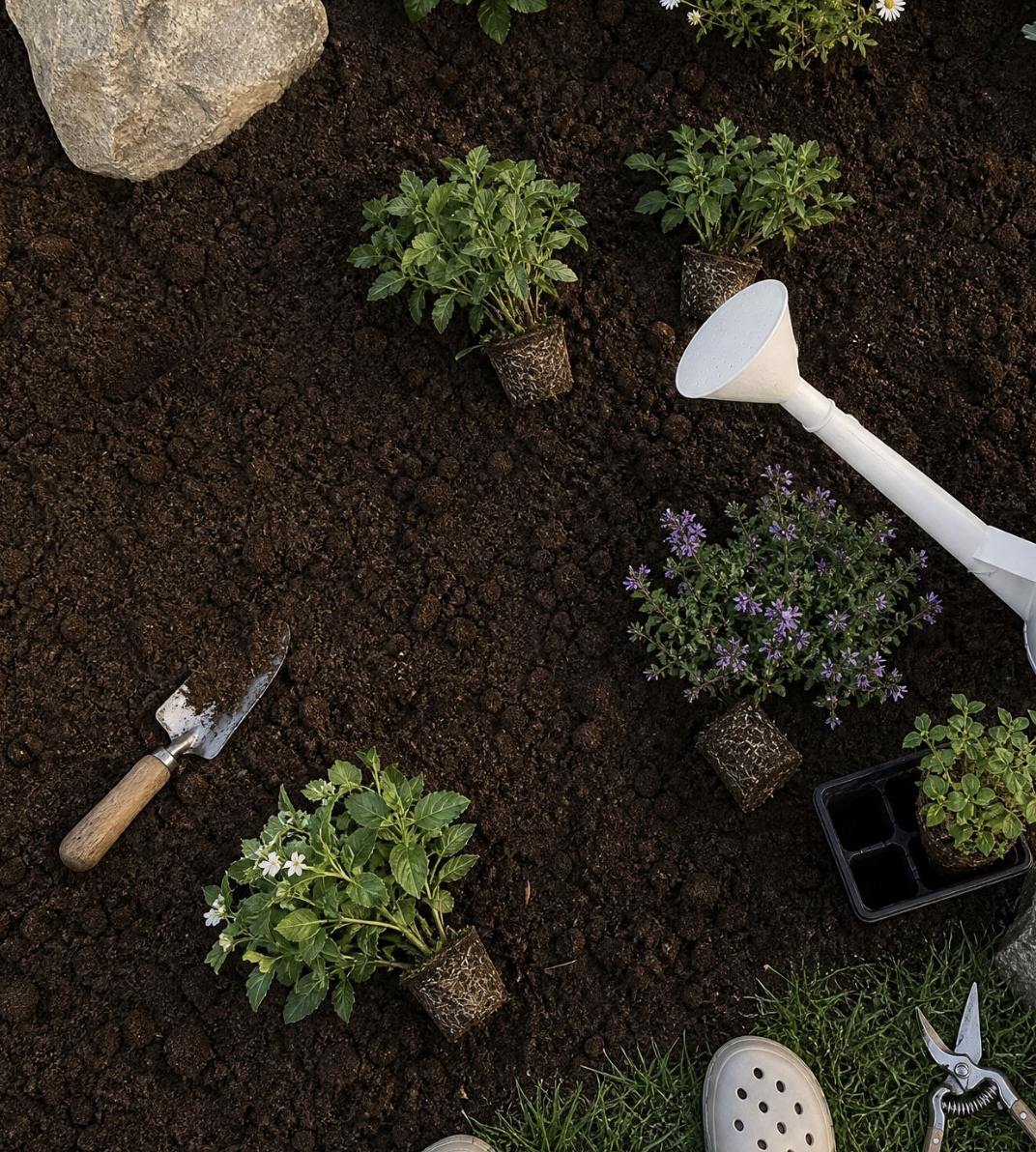
Soil is a complex physical, chemical, and biological system that varies enormously from site to site and understanding its basic characteristics is the foundational skill of all successful planting.
The days have been shortening since the solstice, and by mid-August the change is visible in the quality of the evening light, which takes on a warmth and a lower angle.
The gardens of May offer extraordinary material: roses in their first flush, peonies at the very end of the month in most climates.
The perennials are pushing up from the ground with varying degrees of vigor. May is the month for close observation, fast action, and genuine satisfaction.
The mechanics are simple: divide the amount you'd normally sow into three or four smaller portions, and sow each portion two to three weeks apart.
March is the month for planting things that can handle a light frost, while keeping warm-season crops indoors for a few more weeks.
The tomatoes will turn. Late July just requires a particular kind of trust in the season — the understanding that the garden is working even when the evidence is still green.