

What to Plant in March — A Northern California Grower's Guide
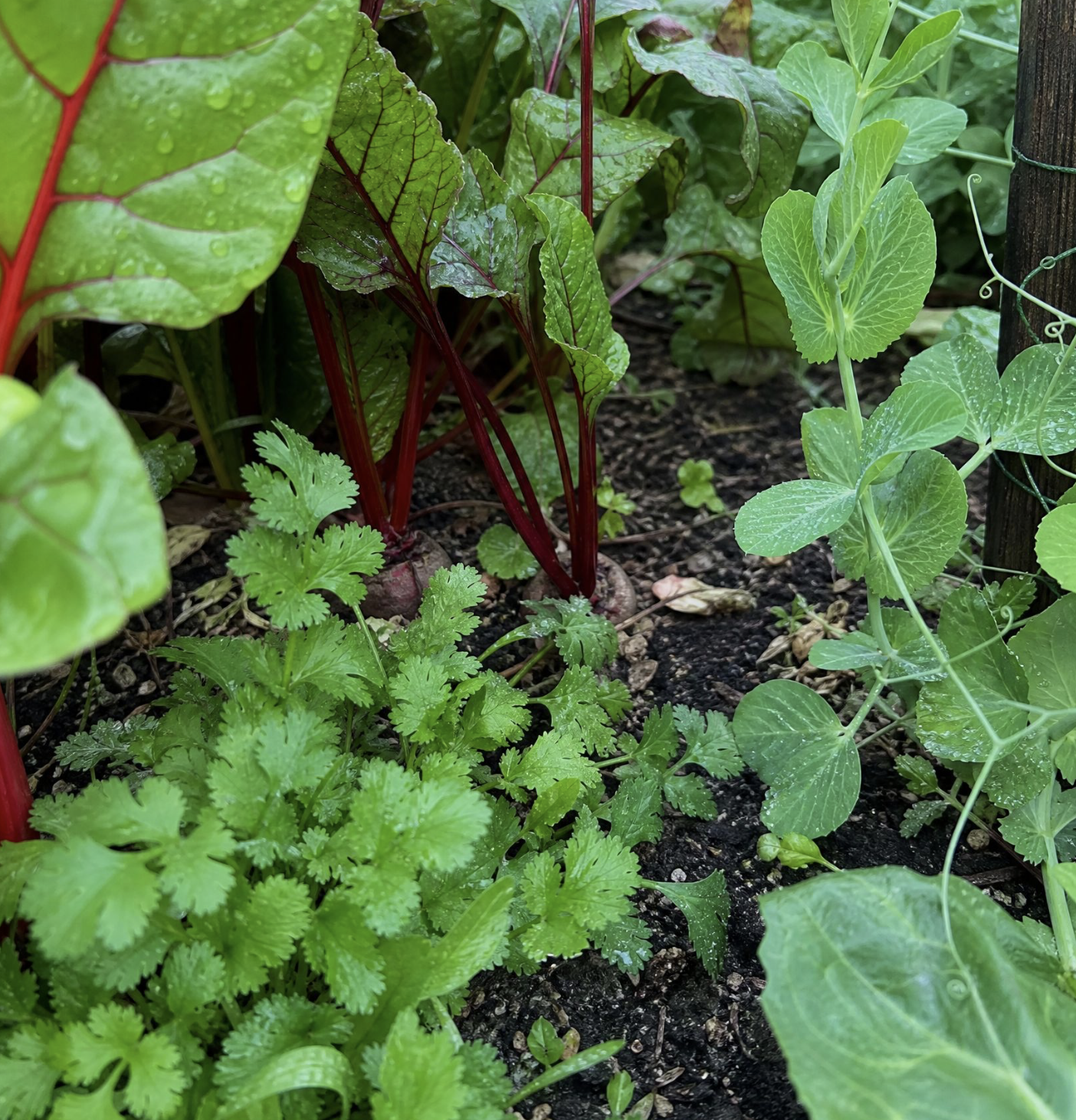
For gardeners in Northern California, March is both the most exciting and the most confusing month of the year. The seed catalogs have been open on the coffee table for weeks. The days are noticeably longer. There have been warm afternoons that feel almost like April. And then there is a frost warning, and the tomatoes you were thinking of putting out are safely still on the shelf.
The rule that cuts through the confusion: in most of Northern California, the last frost date falls between late February and mid-March depending on your specific location and microclimate. March is the month for planting things that can handle a light frost, while keeping warm-season crops indoors for a few more weeks.
What to direct sow in the garden in March: lettuces and salad greens of all kinds, which actually prefer the cool temperatures of early spring and will bolt in summer heat. Spinach, which is even more cold-tolerant than lettuce. Arugula, which can handle light frost easily. Peas — plant them now, because they need to establish before it gets hot. Chard and beet seeds. Cilantro, which bolts in heat, is far better as a cool-season crop and should go in now.
Brassicas that you started indoors in January can be transplanted out in early-to-mid March in most California zones. Broccoli, cauliflower, cabbage, and kale are all quite frost-hardy and will establish well in early spring conditions. Harden them off for a week first — set the trays outside in a sheltered spot for increasing amounts of time each day before planting in the ground.
What to start indoors this month if you haven't: tomatoes, peppers, and eggplant if they're not already started. Summer squash, which grows so fast that starting it now gives you plenty of lead time without getting ahead of yourself. Basil — though it will need to stay indoors until nighttime temperatures are reliably above 50 degrees.
The garden in March requires a particular kind of patience: the patience of knowing what's coming while doing the quiet, preparatory work of the season. The lettuce seeds going in now won't look like anything for two weeks. The peas are invisible under the soil. But the work is being done. The season is turning.
One more thing for March: clean up what winter left behind. The old dead stems from last year's perennials, if you left them for bird habitat and winter interest, can now come down. Cut them at the base. The new growth of perennials — hostas, salvias, coneflowers — is already beginning to push up from the soil, and it will appreciate the light and air circulation once the old stalks are cleared. Add everything to the compost pile and call it tidy.
