

December Field Notes — What the Garden Is Doing While You're Not Looking
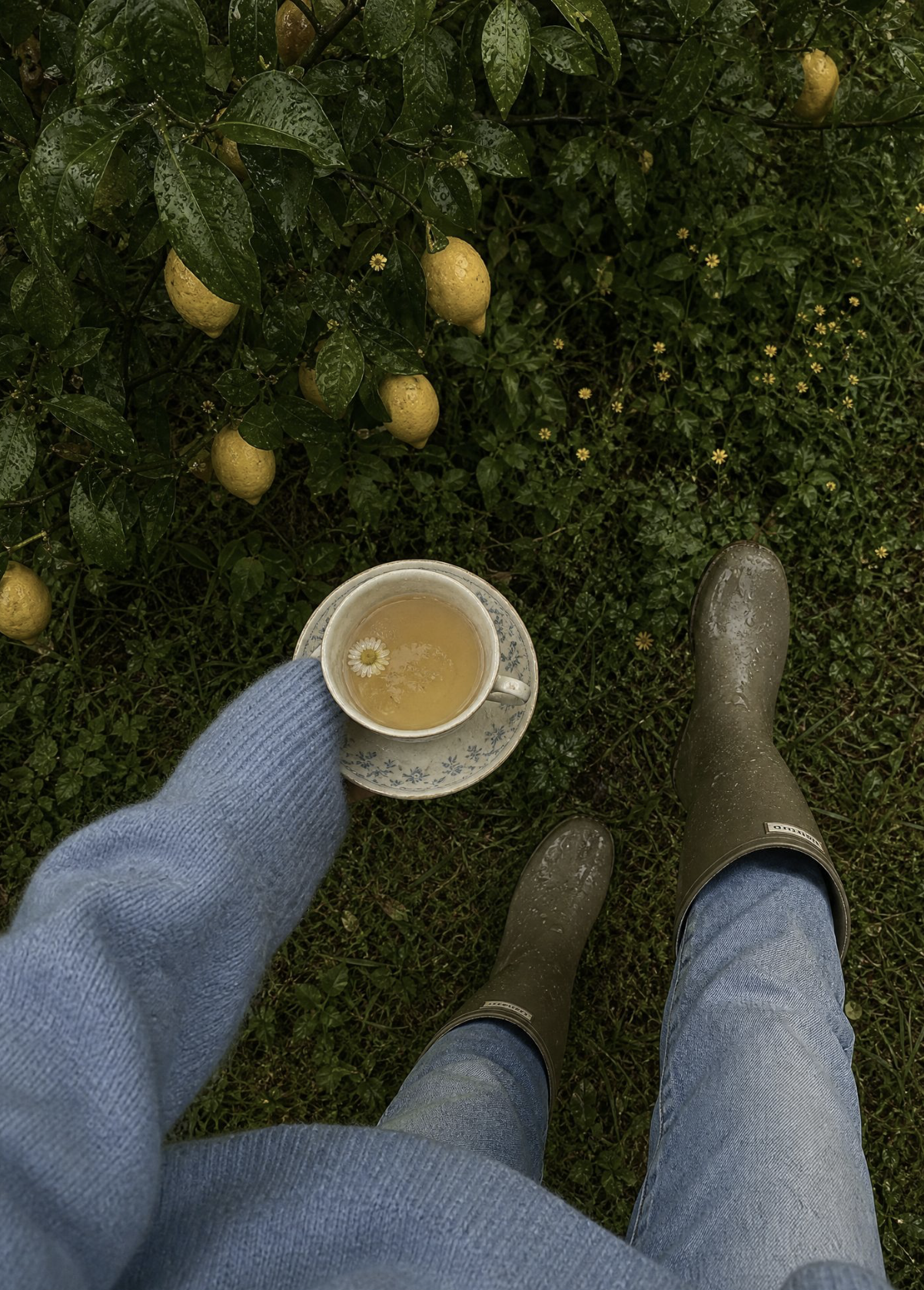
December in the garden looks like nothing is happening. This is one of the great illusions of the growing year, and understanding what's actually occurring beneath the surface — in the soil, in the stored roots, in the bulbs you tucked in during October — changes the way the dormant garden feels entirely. It is not waiting. It is working, just in a register invisible to the eye.
The garlic planted in autumn is putting down roots right now, in the cold and the dark, with no visible evidence at the surface. Root development in alliums continues at soil temperatures as low as 40°F / 4°C, and the plant that pushes up vigorous green shoots in February has been quietly, steadily building its root architecture all winter. The deeper and more established those roots are before spring growth begins, the larger and more complex the bulb that comes out of the ground in summer. December is when next July's garlic is being decided.
Spring bulbs — the tulips, narcissus, hyacinths, and alliums you planted in October — are undergoing a process called vernalization, the exposure to sustained cold that is required to break dormancy and trigger spring flowering. Tulips specifically need a minimum of twelve to sixteen weeks of temperatures below 45°F / 7°C to flower properly; without it they produce leaves but no bloom, or abort the flower bud entirely. This is why tulips planted in climates without a reliable cold period require refrigeration before planting, and why a mild December followed by an early warm spring can produce an underwhelming tulip display even in gardens where tulips have always performed well. The cold is not incidental to the flower. It is the precondition for it.
The soil itself is in the most active phase of its winter microbiology. Decomposition continues well below freezing point in the outer layers of a mulched or covered bed, and the fungal networks — mycorrhizae — that connect plant root systems underground remain metabolically active through winter, continuing to transport minerals and sugars between plants even when the plants themselves have died back above ground. A well-mulched bed in December is a thriving ecosystem of invisible activity. A bare, unmulched, compacted bed is significantly less so, which is one of the strongest arguments for covering empty beds with compost or a mulch layer before winter rather than leaving them exposed.
For the Southern Hemisphere gardener, December is midsummer — the height of everything, the peak of harvests, the fullest expression of all the planting decisions made in August and September. The July field notes are the relevant ones for what's happening in your garden right now, and the abundance of December in the Southern Hemisphere summer garden is its own extraordinary subject.
What the Northern Hemisphere gardener can usefully do in December sits in two categories: the practical and the planning. The practical is brief — check on stored dahlias and tender tubers for signs of rot or excessive drying, order seed while the best varieties are still available (heirloom tomatoes, specialty dahlias, and the most sought-after tulip cultivars sell out between January and March with reliable predictability), and oil the wooden handles of your tools with linseed oil if you haven't done it yet this year.
The planning is the more interesting work. December is the right month to think about the garden as a whole — not the individual plant decisions, which are best made in the season, but the larger structural questions. Where did the garden lack interest this year, and in which months? What was missing in June, in September, in the dead of February? What would you plant more of if you could start over, and what have you grown enough times now to know you don't need again? These questions, answered honestly from the vantage point of the full year just concluded, are the foundation of a garden that improves with genuine intention rather than by accident. The year is ending. The garden knows something about it. December is the time to ask what.
