

The Art of Succession Planting
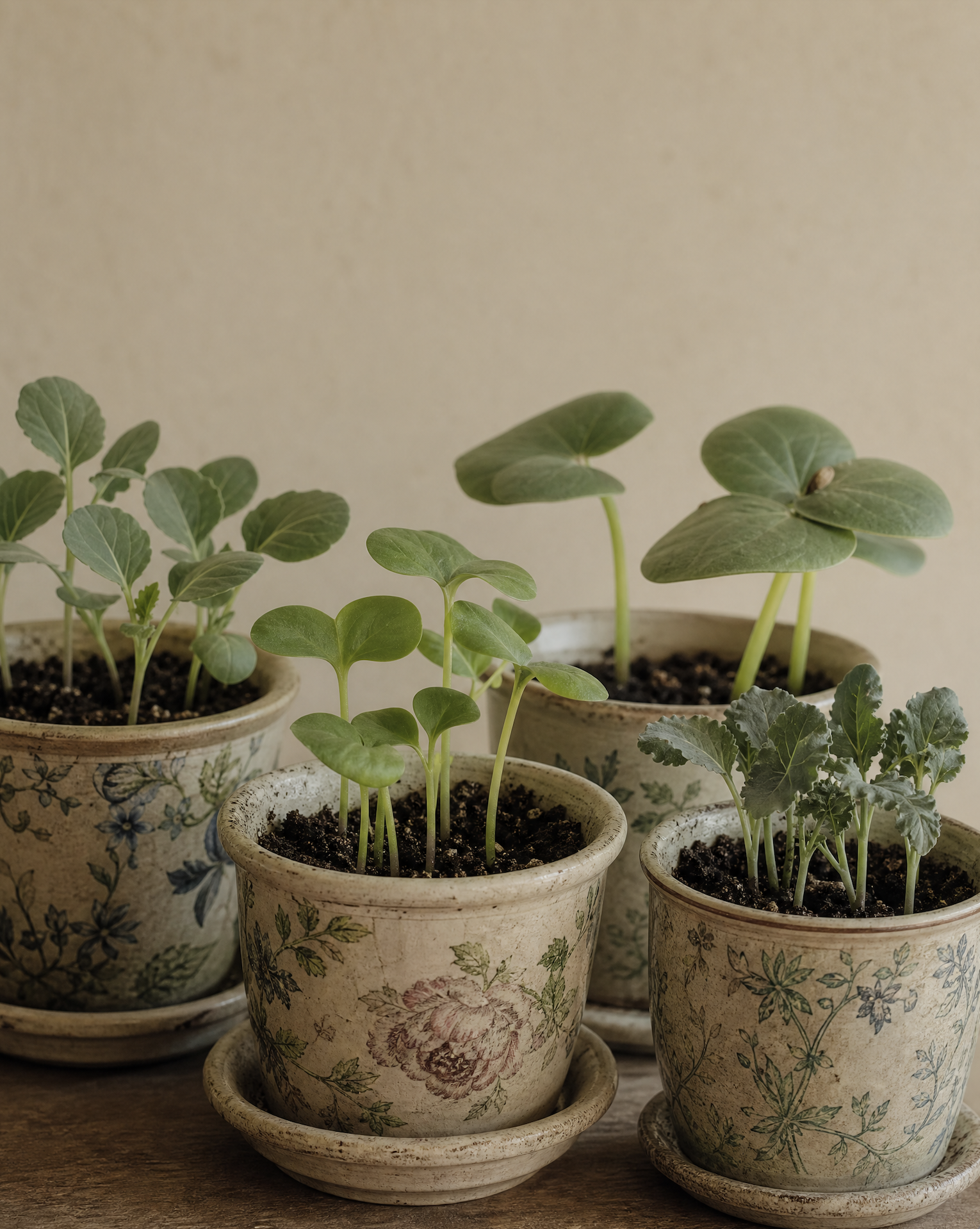
Of all the techniques that separate a productive kitchen garden from an average one, succession planting is probably the most underutilized — and the most transformative when you start doing it properly. The principle is straightforward: instead of sowing an entire packet of seeds at once and dealing with a glut of the same vegetable for two weeks followed by nothing, you sow smaller amounts at staggered intervals so that harvests come in a continuous stream rather than a single overwhelming wave.
Most home gardeners have experienced the feast-or-famine cycle without connecting it to planting habits. The entire row of lettuce bolts in the same week. The radishes all mature at once and then there are no radishes for months. The beans come in so fast you're giving bags of them to neighbors who didn't ask. Succession planting is the answer to all of this, and it's a practice that applies to almost every fast-growing crop in the garden.
The mechanics are simple: divide the amount you'd normally sow into three or four smaller portions, and sow each portion two to three weeks apart. For lettuce, this means sowing a short row every two to three weeks from early spring through early summer (and then again in late summer for a fall harvest). For radishes, every ten days. For beans, every three weeks through the season. The first sowing takes two to three weeks longer to produce a harvest than if you'd planted everything at once — but then the harvest continues uninterrupted for months.
The crops that benefit most from succession planting are the ones with a defined harvest window and a tendency toward bolting: lettuce, arugula, spinach, cilantro, dill, radishes, and salad turnips. All of these are at their best for a relatively short window — bolting in heat, or becoming bitter and tough if left in the ground too long. Staggering your sowings means you're always harvesting them at peak quality rather than racing to use them before they go over.
Beans and peas also respond beautifully to succession sowing, particularly in climates with a long enough season. Three sowings of beans, three weeks apart, will give you harvests from midsummer well into fall. For peas, the calculus is slightly different because they don't tolerate heat — in most climates you want to get as many successions in as possible in early spring before temperatures rise above 70°F / 21°C reliably, and then make one more sowing in late summer for a fall harvest.
For crops with a longer time to maturity — brassicas, tomatoes, squash — succession planting works differently. Here, the goal is usually to stagger transplant dates rather than seed dates, and the intervals are longer. Two plantings of broccoli three to four weeks apart will give you a spring harvest and an early summer harvest before the heat finishes them. Two plantings of summer squash, three weeks apart, ensures that when the first plants begin to show signs of powdery mildew in late summer (as they always do), the second planting is just hitting its stride.
The practical challenge of succession planting is keeping track of it, especially once you have multiple crops going in at staggered intervals. A simple garden journal — even just a notes app with dated entries — is invaluable here. Write down what you planted, when, and in what quantity, and make a note to yourself to sow the next succession in two or three weeks. It takes less than five minutes and eliminates the most common failure mode: forgetting to keep the cycle going once the initial planting is done and daily life reasserts itself.
April is the ideal month to build this habit, because the season is just opening up and there's still time to start multiple successions of cool-season crops before the heat arrives. Sow lettuce this week and again in two weeks and again in four. Do the same with arugula, radishes, and spinach. By June you'll have harvests coming in on a rhythm that feels almost effortless, and you'll wonder why you ever planted everything at once.
