

July Field Notes — The Garden at Full Volume
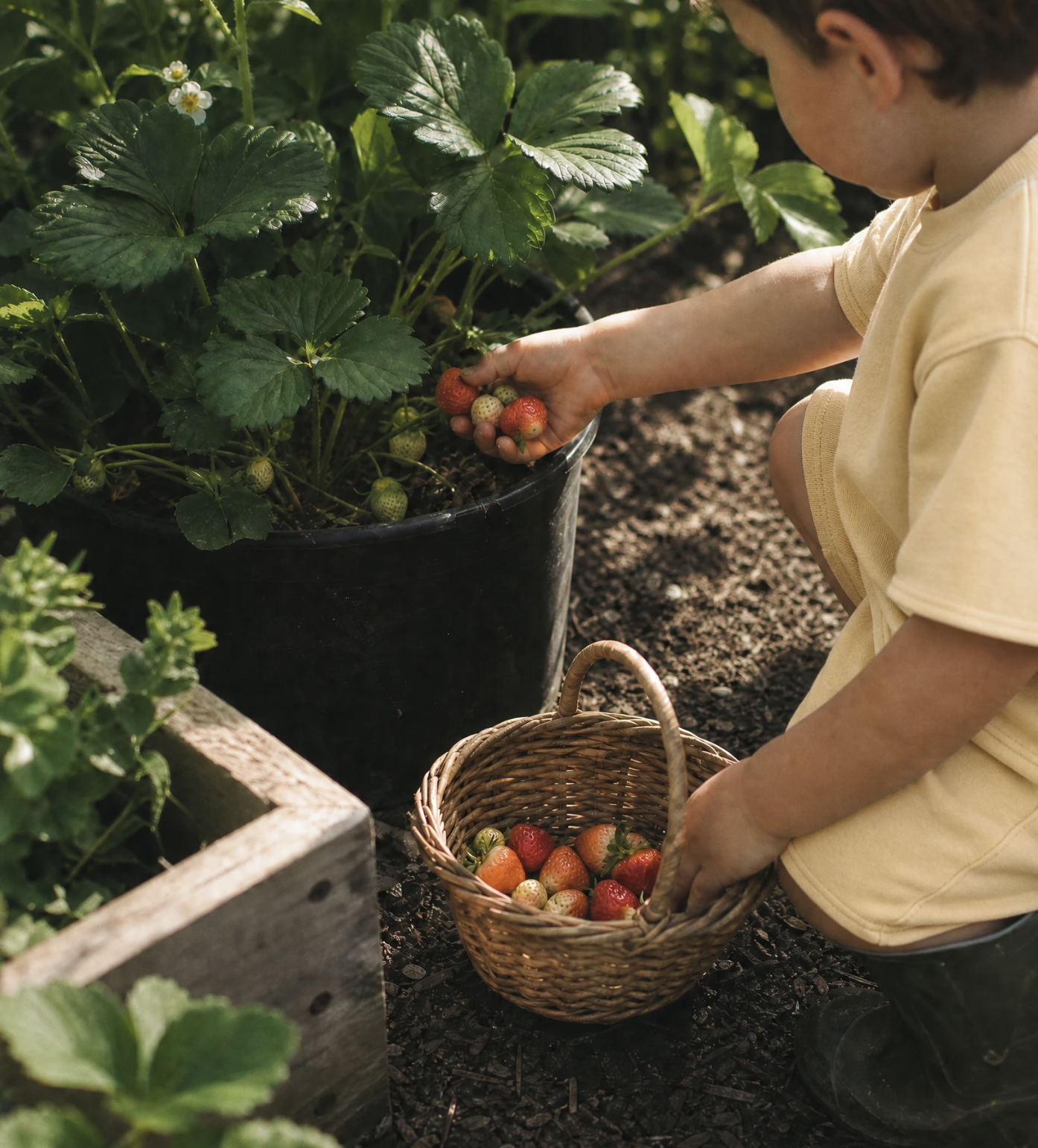
There is a particular quality to a July garden that has no equivalent in any other month — the quality of abundance pushed right to the edge of too much, where the tomatoes are coming faster than you can use them, the zucchini has achieved its legendary status as a vegetable that grows while you watch, the beans need picking every other day or they go woody, and the cutting garden is simultaneously at its most spectacular and most demanding. July is the month when the garden asks the most of you. It is also the month when it gives the most back.
In the Northern Hemisphere, July sits at peak summer for most growing zones — long days, warm nights, and soil that has accumulated enough heat to push even the slowest crops forward with real purpose. In the Southern Hemisphere, July is the heart of winter: this is the month for harvesting root vegetables that have sweetened in the cold, for tending overwintering brassicas, for the first seed catalogs of the year arriving and making plans for the spring garden ahead.
For those of us in high summer right now, the single most important task is harvesting on time. Zucchini and summer squash left on the plant for more than three or four days past a usable size will swell into something more architectural than edible, and more critically, they signal the plant to stop producing and redirect energy toward seed development. Check squash plants every other day without fail, harvesting at six to eight inches for the best flavor and texture. Beans should be picked before the seeds inside become visible through the pod wall — at that point the pod toughens and the sweetness disappears. Cucumbers come off the vine before they yellow. All of this is a lesson in not-waiting, which is one of the more counterintuitive skills the kitchen garden teaches.
Tomatoes are their own universe in July. The first ripe ones of the season have an almost ceremonial quality — eaten standing over the sink with a pinch of flaky salt, before anyone can argue about what to do with them. The subsequent harvest, which in a well-planted garden arrives in an accelerating wave, requires a strategy. Tomatoes that are cracking, those with blossom end rot (a calcium uptake issue caused by inconsistent watering, not a disease — adjust your irrigation and it won't recur), and any that fall before fully ripe all have their uses: they roast beautifully into a sauce that freezes well, and they make the finest gazpacho. Imperfect tomatoes have no defects in the kitchen.
Watering in July deserves real attention. Most fruiting crops — tomatoes, peppers, squash, cucumbers — need deep, consistent moisture to develop properly. Inconsistent watering is the direct cause of blossom end rot, bitter cucumbers, and cracked tomato skins. Water deeply two or three times per week rather than shallowly every day, ensuring moisture reaches the full root zone. Mulching to a depth of three to four inches around the base of plants conserves soil moisture dramatically between waterings and keeps root-zone temperature stable — both of which matter enormously when the air temperature climbs.
The cutting garden in July is a riotous place. Zinnias are at peak, in every color, and the more you cut them the more they produce. Dahlias are beginning their long season of extraordinary abundance. Sunflowers are opening in succession if you planted them that way. Cosmos sways in any available breeze. Cut generously and often, restock your vases, and give flowers to everyone you encounter. July is genuinely not the month for moderation.
