

September Field Notes — What Your Soil Is Actually Telling You
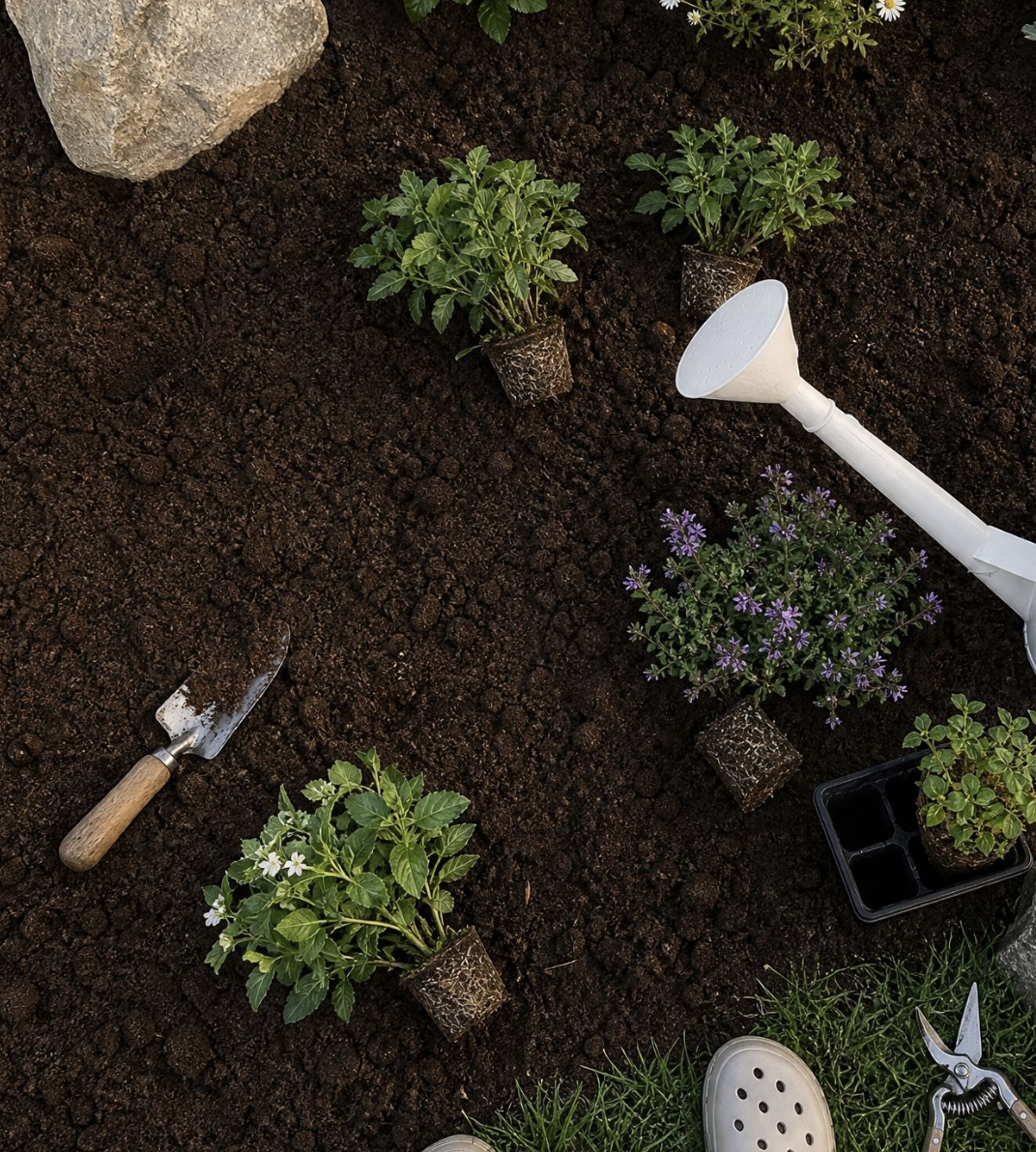
One of the most common and most costly mistakes in gardening is choosing plants before understanding the soil they'll be growing in, and then spending years in a low-grade battle against the conditions rather than working with them. The right plant in the right soil is one of those principles that sounds obvious until you realize how rarely it's actually applied — and how dramatically the garden changes when it is.
Soil is not simply the brown stuff that plants grow in. It is a complex physical, chemical, and biological system that varies enormously from site to site, often within the same garden, and understanding its basic characteristics is the foundational skill of all successful planting. September, when the summer garden is winding down and the mind turns naturally toward next year's plans, is the ideal time to actually look at your soil, assess its characteristics, and choose plants accordingly — rather than the reverse.
The four soil characteristics that most determine which plants will thrive are pH, drainage, texture, and organic matter content. Of these, pH and drainage are the most immediately consequential and the most useful to understand as a guide to plant selection.
Soil pH — the measure of acidity and alkalinity on a scale from 0 to 14, with 7 being neutral — determines the availability of nutrients in the soil. Most nutrients are most available to plants in the slightly acidic to neutral range (pH 6.0 to 7.0), which is why most generalist garden advice targets this range. But many plants have evolved specifically in soils outside this range and actually perform best there. Acid-loving plants — rhododendrons, azaleas, camellias, blueberries, pieris, and most heathers — thrive in soils between pH 4.5 and 6.0. In neutral or alkaline soil they develop chlorosis, the yellowing between leaf veins that signals iron deficiency caused by the nutrient being locked in a form the plant can't access. If your rhododendrons look sickly despite good care, the problem is almost certainly pH. Conversely, clematis, lavender, rosemary, and most vegetables prefer neutral to slightly alkaline conditions and will struggle in strongly acidic soil. A simple pH test — available from any garden center or online for a few dollars — takes ten minutes and tells you exactly where you stand.
Drainage is the other foundational variable. Clay soil — dense, slow-draining, prone to waterlogging in winter and baking hard in summer — is the bane of many gardeners, but it is also rich in minerals and, for the right plants, extraordinarily fertile. Plants that thrive in clay include many of the most beautiful garden perennials: Helenium, Persicaria, Eupatorium, Astrantia, Cornus, and most roses do remarkably well in heavy soil once established. The mistake is trying to grow Mediterranean plants — lavender, rosemary, cistus, and most salvias — in clay, where they will rot at the root and die in their first wet winter regardless of how lovingly they've been planted. These plants evolved in fast-draining, often rocky or sandy soils and genuinely need that drainage to survive.
Sandy soil drains too freely, leaches nutrients rapidly, and warms up quickly in spring. Its best plants are the ones that have evolved in similar conditions: lavender (Lavandula angustifolia and its cultivars), rosemary (Salvia rosmarinus), cistus, echinops, eryngium, verbascum, and most ornamental grasses. Bulbs — tulips, alliums, ornamental onions — also do beautifully in sandy soil, where the excellent drainage prevents the rot that kills them in heavier conditions.
Rocky or chalky soil — alkaline by nature, fast-draining, often thin — is perfectly suited to a range of plants that gardeners on better soil struggle to grow: Gypsophila, Dianthus (the true pinks), Salvia, Verbena bonariensis, Allium, and the chalk-loving wildflowers like Scabiosa and Centaurea all perform magnificently where the conditions seem to make gardening difficult. The chalk garden tradition, rooted in the gardens of the English South Downs where the soil is almost pure calcium carbonate, produces some of the most beautiful and distinctive planting in the world.
The liberating insight in all of this is that there is no bad soil — only mismatched expectations. Every soil type has a community of plants that is specifically suited to it and will thrive there with very little persuasion. September is the right moment to assess which community belongs in yours.
