

August Field Notes — The Long Middle
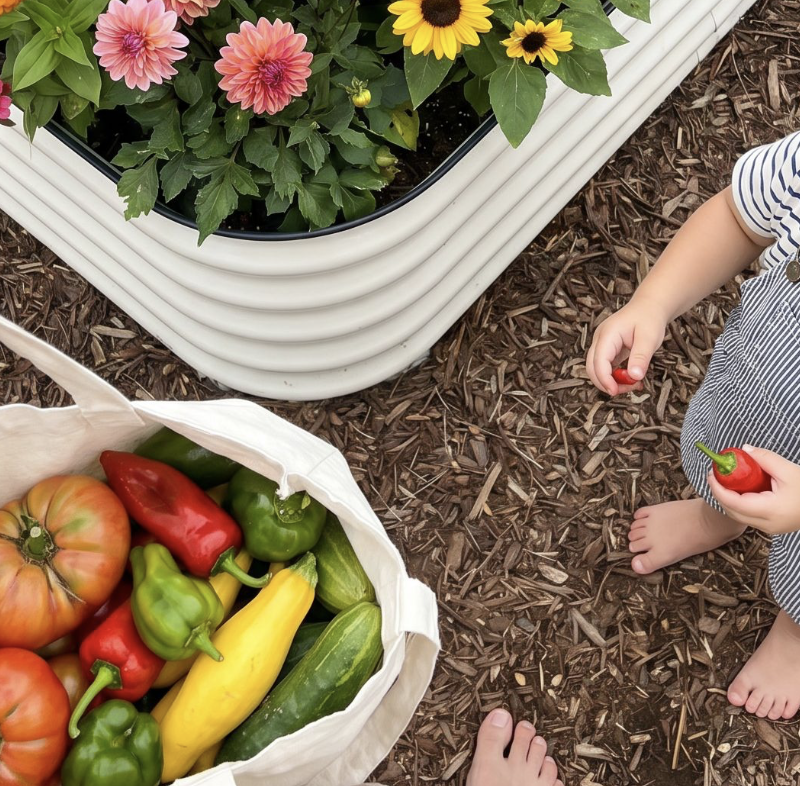
August has a quality that gardeners either love or find quietly testing: it is the month of the long middle, the sustained push of high summer that asks you to keep showing up — harvesting, watering, deadheading, cutting — without the novelty of spring or the relief of the first cool days that September will eventually bring. The garden in August is not a new thing. It is a familiar thing that has grown large and abundant and demands your continued presence in return for what it's giving.
The shift that happens in August is subtle but unmistakable to anyone paying attention: the days have been shortening since the solstice, and by mid-August the change is visible in the quality of the evening light, which takes on a warmth and a lower angle that looks different from July's. Overnight temperatures in most zones are beginning to ease. Warm-season crops that have been producing steadily will gradually begin to slow. The tomato plants are showing their age — lower leaves yellowing, powdery mildew appearing on older foliage. This is not a problem requiring intervention. It is the season moving in the direction it's always going.
The most important August garden task, and the one most frequently neglected, is succession sowing for autumn. In USDA Zones 5 through 9, August is the window for direct sowing cool-season crops that will mature in the gentler temperatures of September, October, and November. Lettuces, arugula, spinach, Asian greens, radishes, turnips, and baby kale all go in now for a fall harvest. Count back from your first expected frost date and sow any crop with fewer days to maturity than you have frost-free days remaining. In Zones 8 and 9, the fall garden can run deep into winter and succession sowing continues into September. In the Southern Hemisphere, August is early spring and the excitement of the first direct sowings of the season — salad greens, radishes, peas — is just arriving.
For the tomato garden specifically: remove the suckers — the vigorous shoots that emerge in the crotch between the main stem and a lateral branch — not because they won't produce fruit, but because at this late-season stage you want the plant's energy focused on ripening existing fruit rather than generating ambitious new growth. Pinch out the growing tip of indeterminate tomatoes entirely by mid-to-late August in Zones 5 and 6; any tomatoes that set after this point will not reach full ripeness before frost arrives.
Dahlias are reaching their magnificent peak. The biology here is worth understanding: a dahlia left to bloom and set seed will slow its flower production as it achieves its reproductive purpose. Cut every open bloom the moment it reaches full color, leaving two pairs of leaves on each stem, and the plant redirects its energy into continuous new flower production until frost. Keep cut stems in a bucket of cold water immediately after cutting and process them within the hour. The more consistently you cut, the more generously the plant gives — and in August, a well-tended dahlia plant can produce several stems per week without slowing.
The August garden rewards the gardener who visits it daily — not necessarily to do large work, but to look closely and respond to what's happening. A daily walk through the beds with a pair of snips and a basket is enough to keep most of what needs doing from becoming overwhelming. August is not the month for new projects or ambitious changes. It is the month for faithful tending of something that is, despite its late-summer sprawl and inevitable imperfections, giving you a very great deal.
