

May Field Notes — What's Happening in the Garden This Month
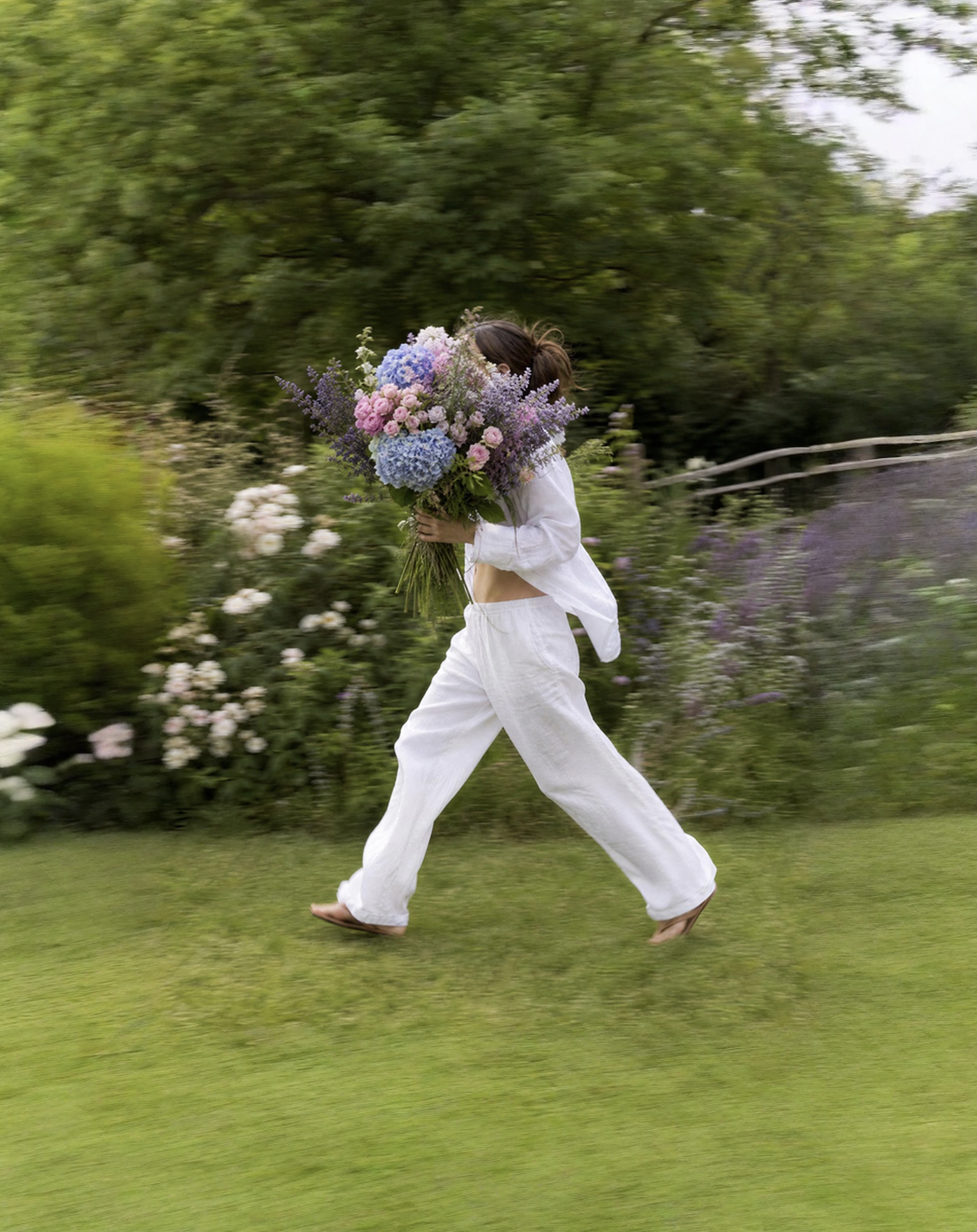
May is the month when a garden reveals its character most clearly. The decisions made in winter — what was planned, what was ordered, what was amended in the soil — are now visible and measurable. The seedlings started indoors in February and March are either thriving or struggling. The perennials are pushing up from the ground with varying degrees of vigor. The weeds, which do not care about your intentions, are growing faster than almost everything else. May is the month for close observation, fast action, and genuine satisfaction.
Across most of the temperate Northern Hemisphere, May spans the end of frost risk and the beginning of true growing conditions for warm-season crops. In USDA Zones 7 and above, the last frost has typically passed by early May and tomatoes, peppers, and eggplant can go out by mid-month once nighttime temperatures are reliably above 50°F / 10°C. In Zones 5 and 6, mid-May is often the right timing. In Zone 4 and below, or at elevation, patience is warranted through the end of the month. In the Southern Hemisphere, May is the beginning of autumn planting season — cool-season crops like brassicas, roots, and greens are going in now, and the timing mirrors the Northern Hemisphere's September–October window.
The most important thing to do in May is harden off and transplant your warm-season seedlings correctly. Hardening off — the process of gradually acclimating indoor-grown seedlings to outdoor conditions — is not optional and cannot be rushed without consequences. A seedling grown under artificial light in a stable indoor environment has thinner cell walls, less cuticle wax, and no experience of wind, UV radiation, or temperature fluctuation. Placed directly outdoors in full sun, it will sunscald or windburn within hours. The hardening-off process should take seven to ten days: start with two hours of dappled shade, increase the duration and sun exposure gradually, and bring plants in if temperatures drop below 50°F or if strong wind or rain is forecast. By the end of the process, the seedling should be spending full days outdoors before you put it in the ground permanently.
Watering discipline matters enormously in May, when seedlings and transplants are establishing root systems in soil that may still be cool and variable. The most common watering mistake is frequency without depth — watering daily but shallowly, which encourages roots to stay near the surface where soil dries out quickly. Instead, water deeply and less frequently, making sure moisture penetrates at least 6 inches / 15 cm into the soil. Check soil moisture with your finger before watering: if the top inch is still damp, wait. If it's dry, water thoroughly. A layer of mulch — straw, wood chip, or compost — applied after transplanting conserves moisture dramatically and is worth the hour it takes to spread.
May is also the month when the cutting garden, if you have one, begins to pay off spectacularly. Alliums — ornamental onions — are at their peak, their spherical purple heads standing above everything on long stems. Ranunculus, if started indoors in winter, are flowering now in extraordinary colors. Peonies are about to open. Foxgloves are reaching their full height. All of these are best cut in the early morning, when stems are fully turgid, and immediately placed in cool water. Remove all foliage that would sit below the waterline, which rots and clouds the water and shortens vase life significantly. Recut stems at an angle underwater before arranging to maximize water uptake.
One May task that gardeners in cold climates often overlook: direct sow a second wave of warm-season annuals from seed now, outdoors, even as you're transplanting the seedlings that have been growing inside since February. Zinnias, cosmos, sunflowers, and basil all germinate quickly in warm May soil and will reach blooming size right as the transplanted ones begin to fade in late summer. The two cohorts together extend the cutting garden season by weeks.
The ground is warm, the light is long, and everything is growing faster than it seems possible. Pay attention. May goes quickly.
