

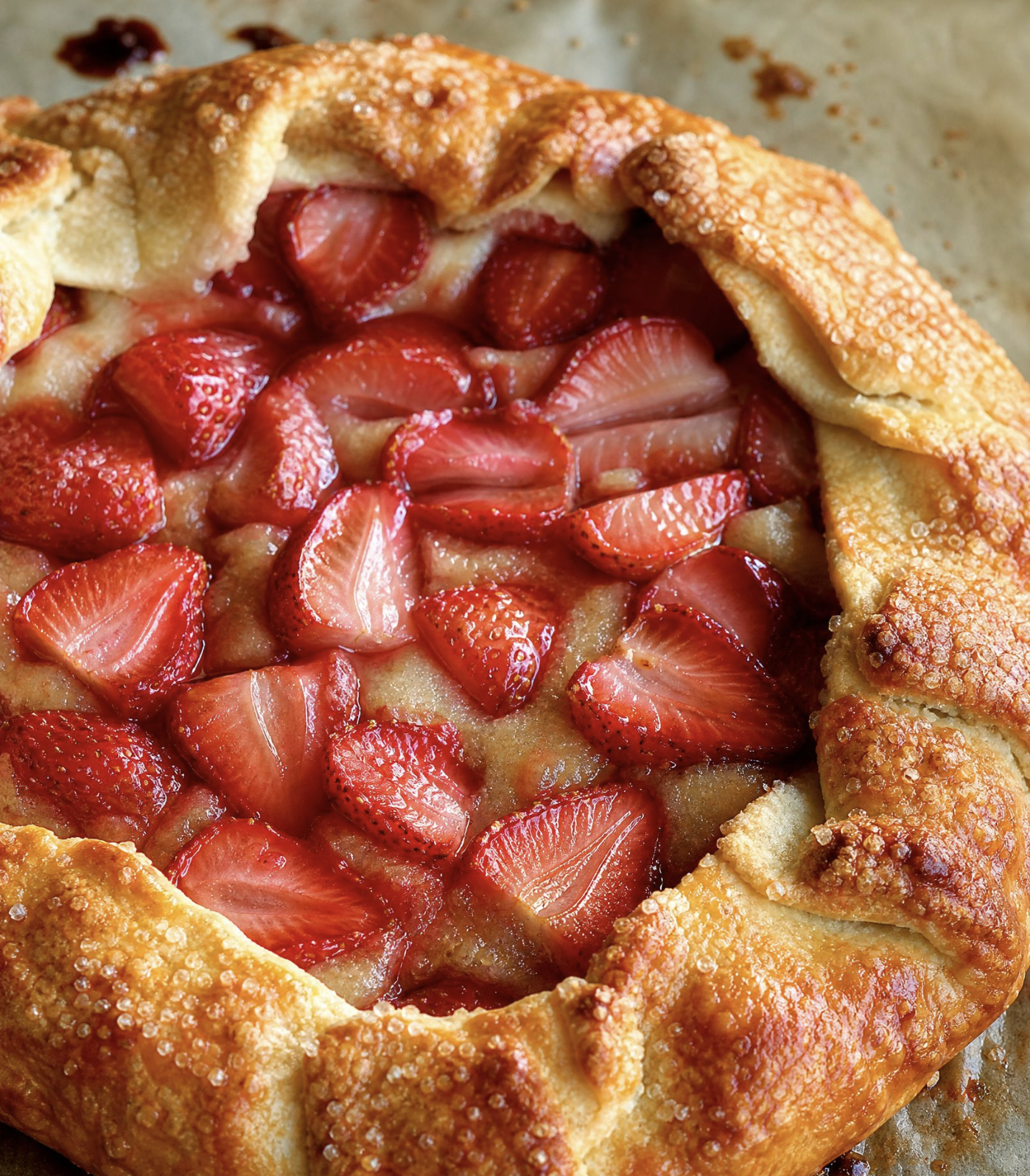
Strawberry Frangipane Galette (Dairy-Free)
A galette is a free-form tart — no tart pan, no fussy crimping, no anxiety about whether the pastry will release cleanly. The rusticity is a feature, not a compromise.
How to Actually Fix Your Allergy Season
The key is that corticosteroid sprays take several days of consistent use to reach full efficacy; starting them two weeks before your typical allergy season onset is significantly more effective than starting them once symptoms arrive.
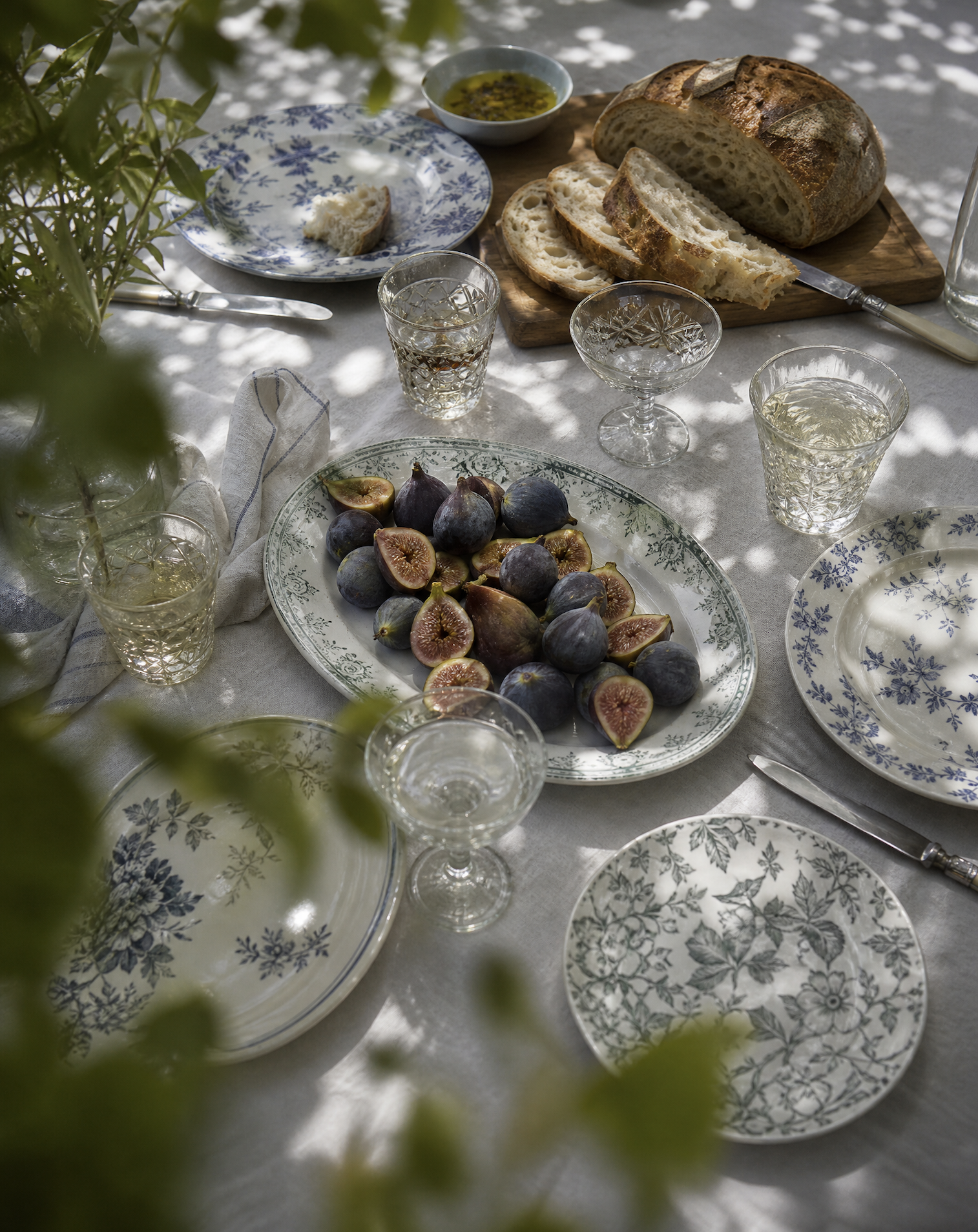
A Guide to Seasonal Tablescaping — Spring Edition
What a beautiful table actually requires is attention to a handful of structural principles and a willingness to work with what the season is offering — which in spring is, frankly, quite a lot.
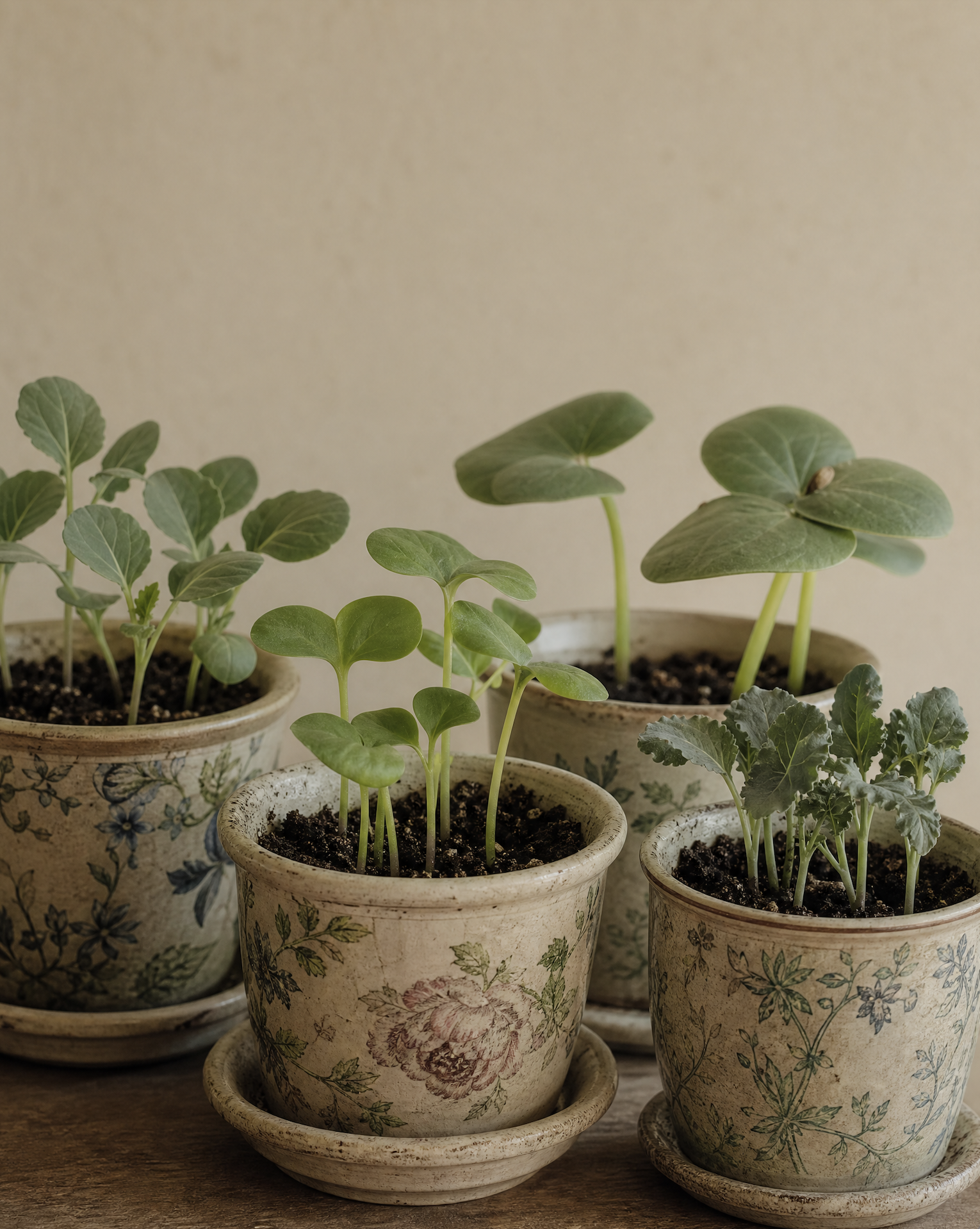
The Art of Succession Planting
The mechanics are simple: divide the amount you'd normally sow into three or four smaller portions, and sow each portion two to three weeks apart.

Rhubarb Shrub Cocktail / Mocktail
Rhubarb is the quintessential April ingredient — tart, fibrous, deeply pink, and available before almost anything else in the spring garden or at the farmers market.
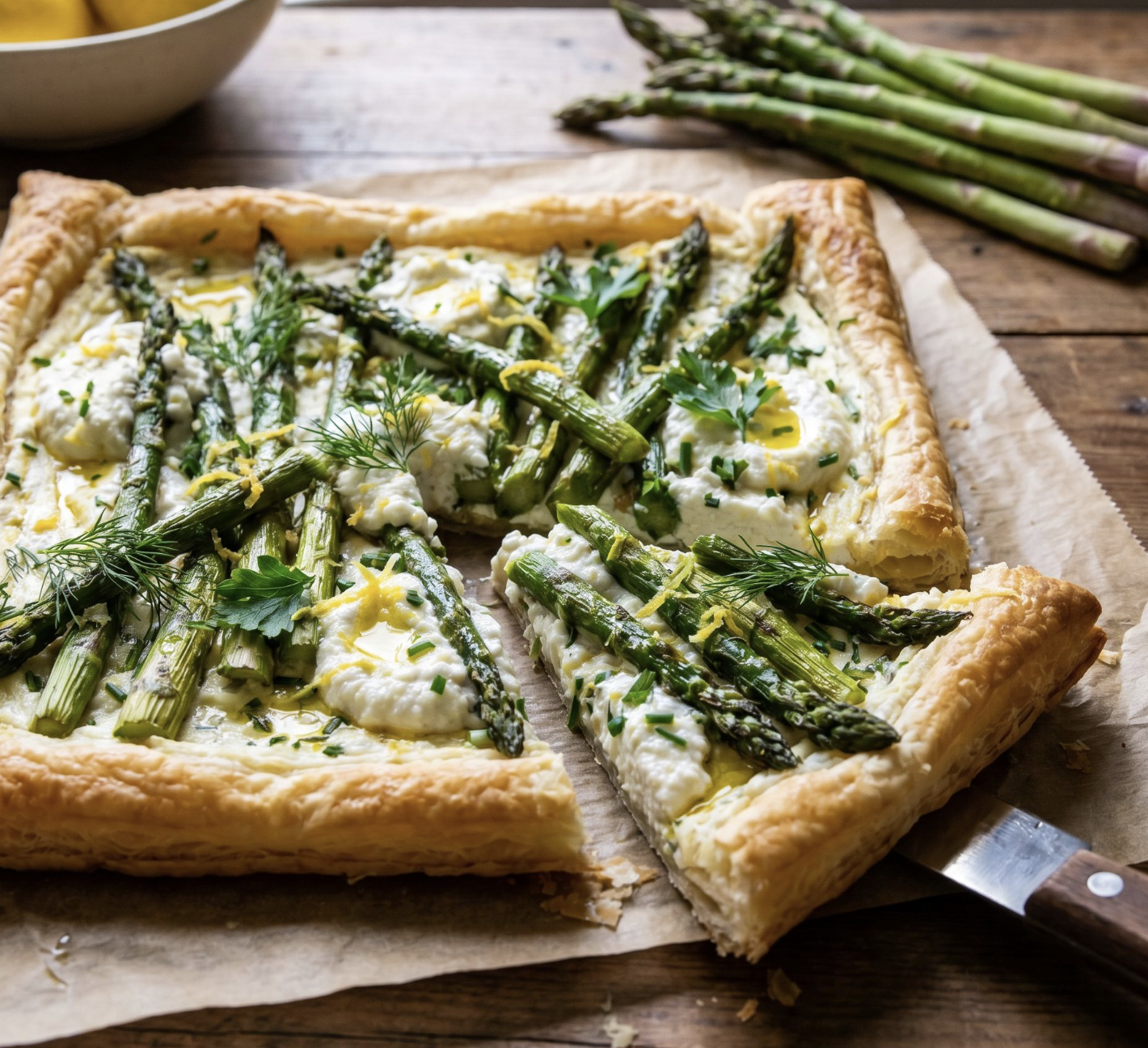
Asparagus Tart with Cashew & Tofu Ricotta
Asparagus has one of the most compressed seasons of any vegetable — Spring is when the spears are at their most tender, their most sweet, and their most abundant at market.

Getting Back Outside — Movement That Doesn't Feel Like Exercise
Movement is walking to look at something rather than to cover a distance. It's gardening for an hour on a warm afternoon. It's a bike ride with no time limit, with stops.

The Spring Linen Refresh
The linen refresh is not a shopping trip. It's a rotation — winter linens stored properly, spring and summer linens retrieved, everything washed and aired before it goes back on the bed.
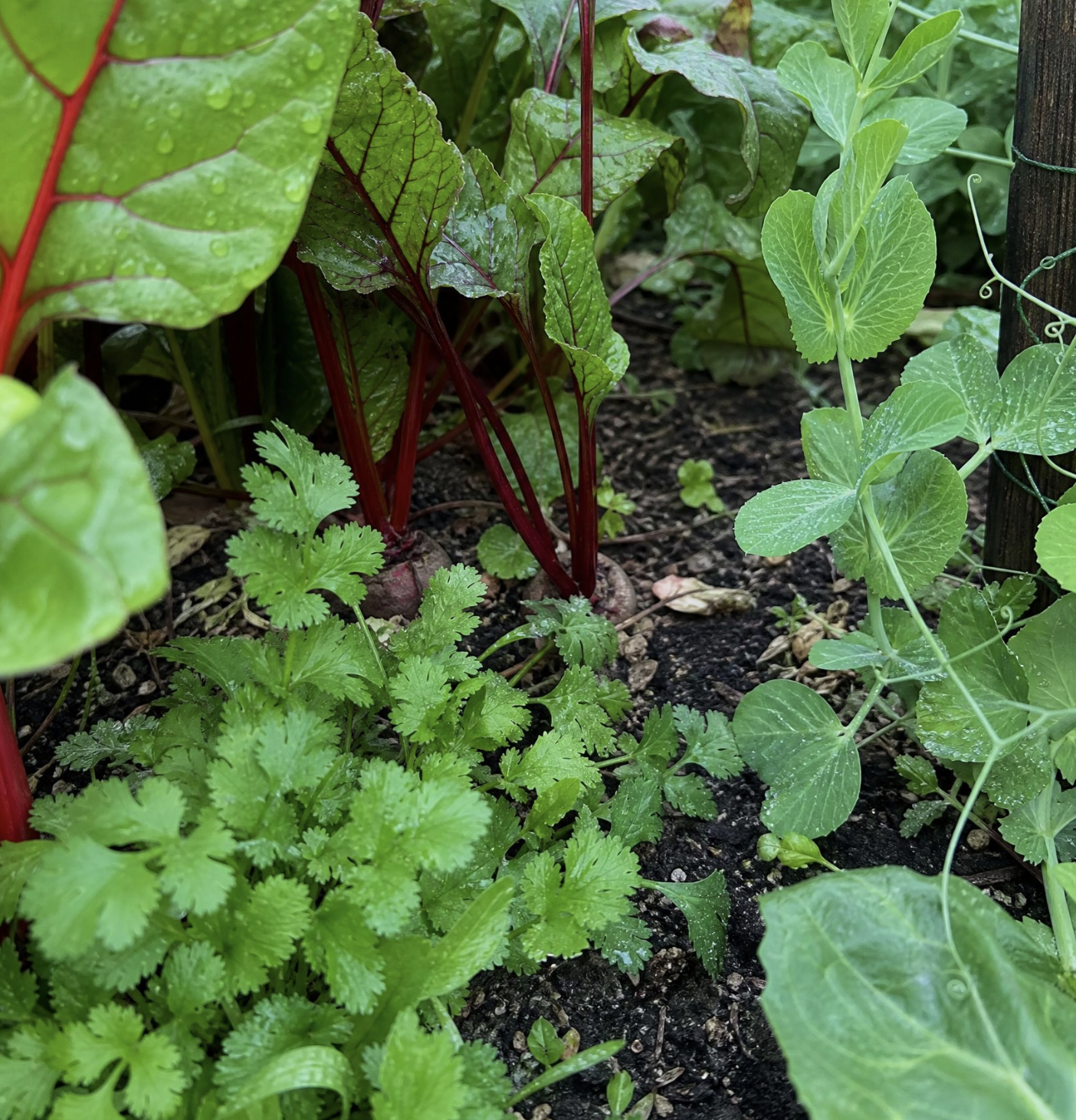
What to Plant in March — A Northern California Grower's Guide
March is the month for planting things that can handle a light frost, while keeping warm-season crops indoors for a few more weeks.
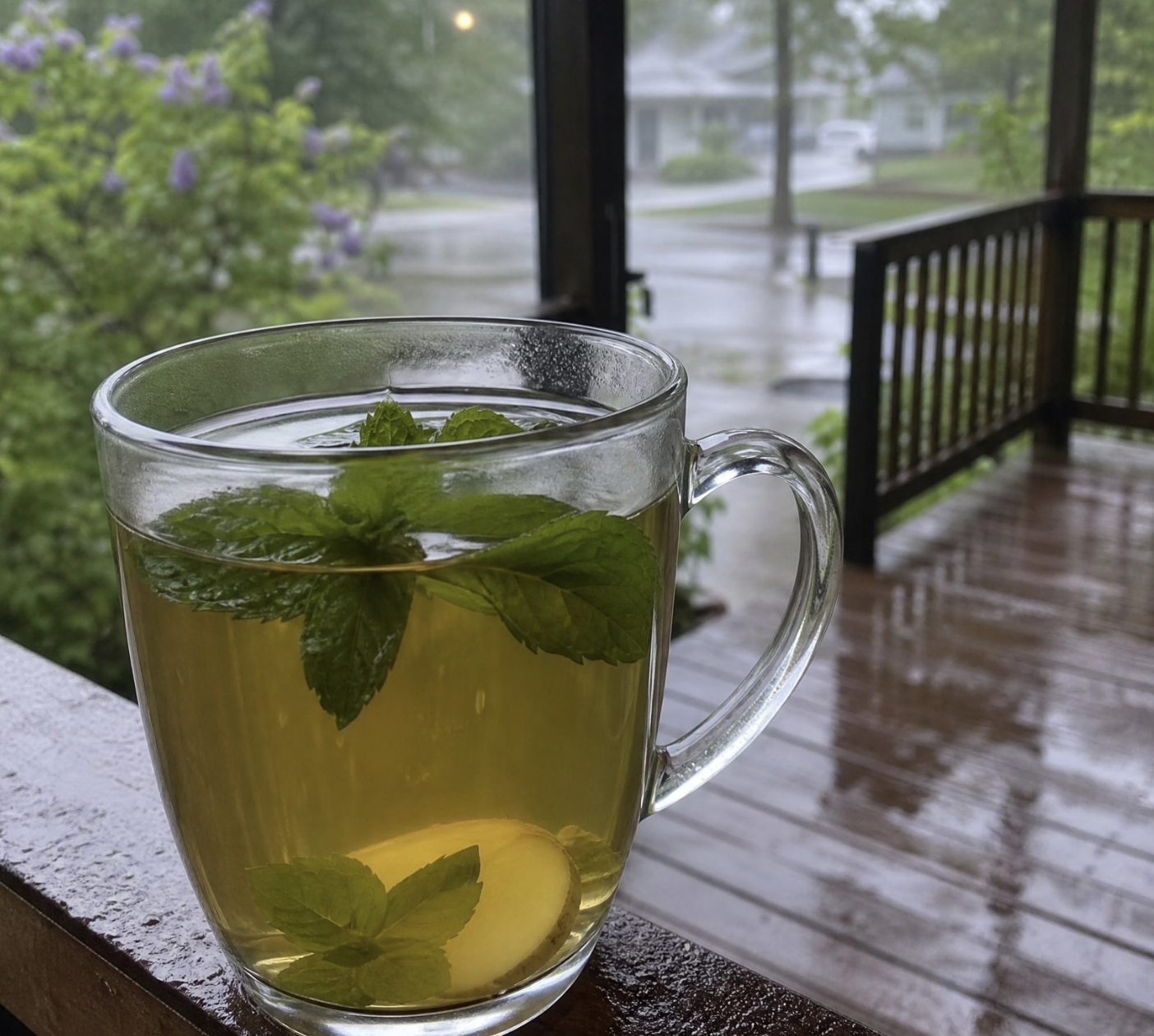
Nettle Tea and Why You Should Be Drinking It
Fresh spring nettle contains significant amounts of iron, calcium, magnesium, potassium, and vitamins A, C, and K.
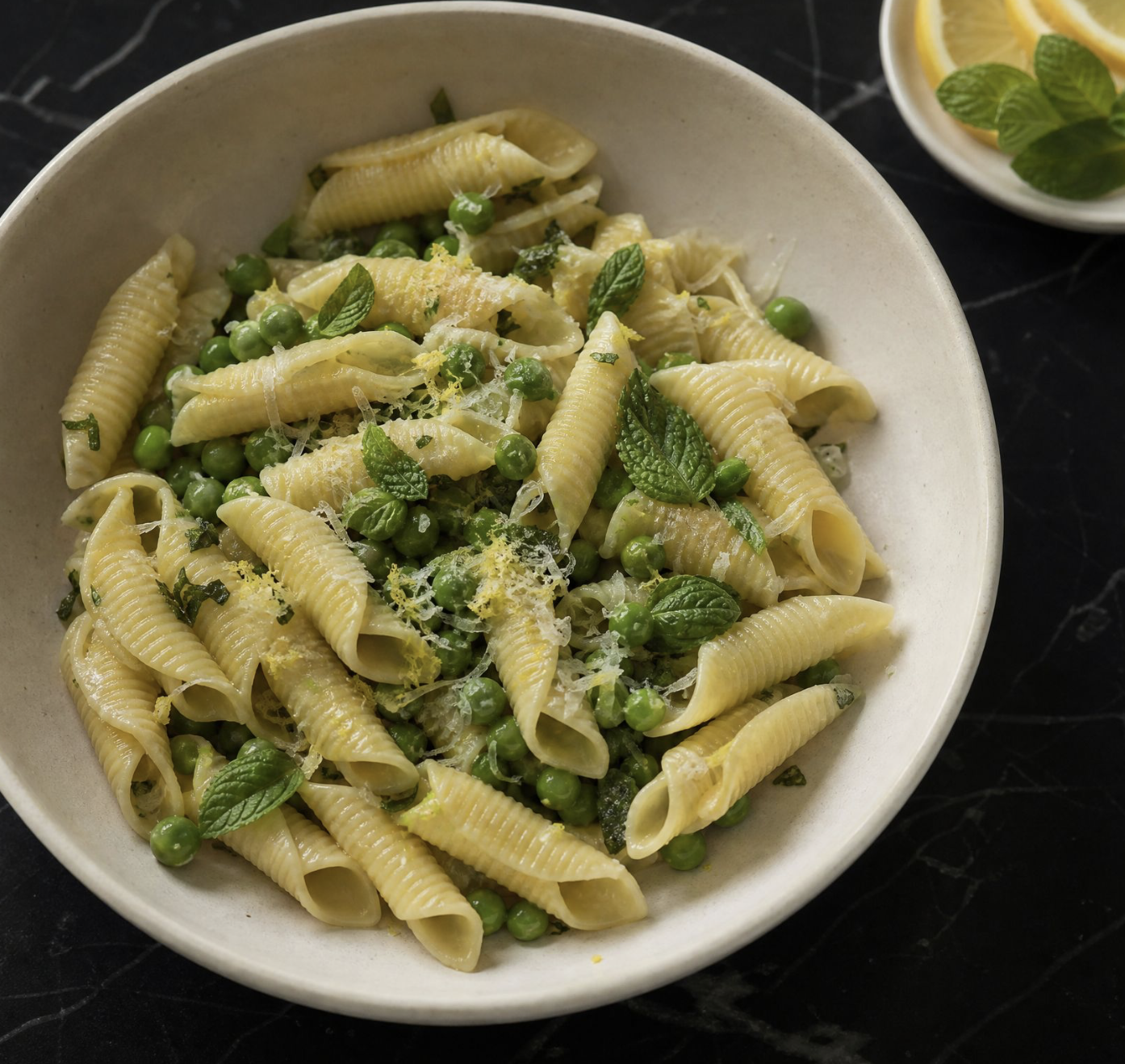
Spring Pea Pasta with Mint and Lemon
Fresh peas are the dream here, shelled right before cooking, sweet and barely needing heat.
The January Reset — A Room-by-Room Tending List
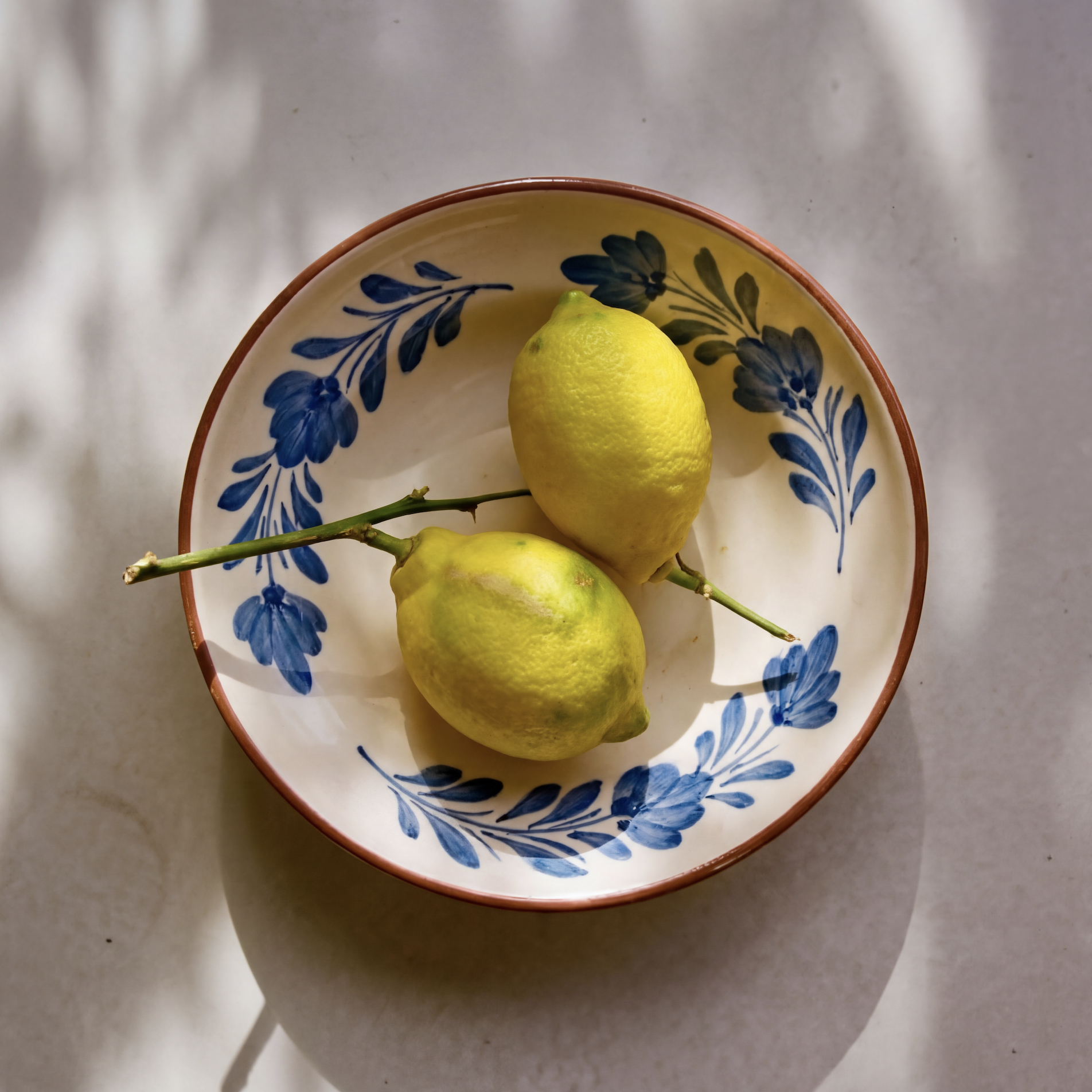
What I'm advocating for is not laziness, which is the avoidance of things you actually want to do or need to do. Rest that is planned and protected and treated as the productive activity that it genuinely is.

The Small Rituals That Hold a Dark Month Together
This takes three minutes and has an outsized effect on how the morning feels — the room looks cared for, and there is a small satisfaction in having done the first thing of the day well.
How to Arrange Dried Flowers (and Which Ones Last)
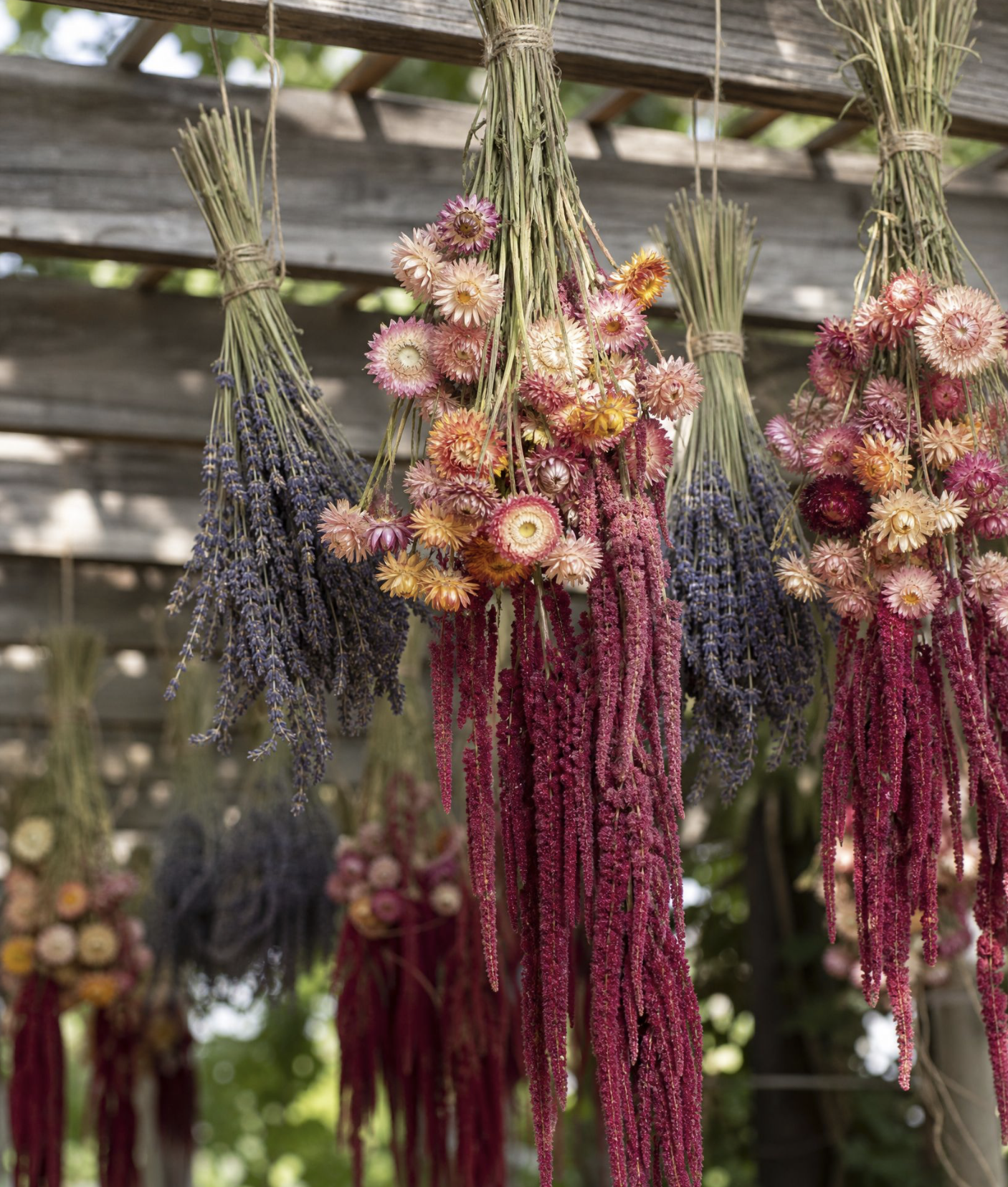
The flowers that dry best: strawflowers, in every color, which hold their shape and color almost perfectly. Statice, in lavender and white, which adds a delicate filler element…
Starting Seeds Indoors — What, When, and How
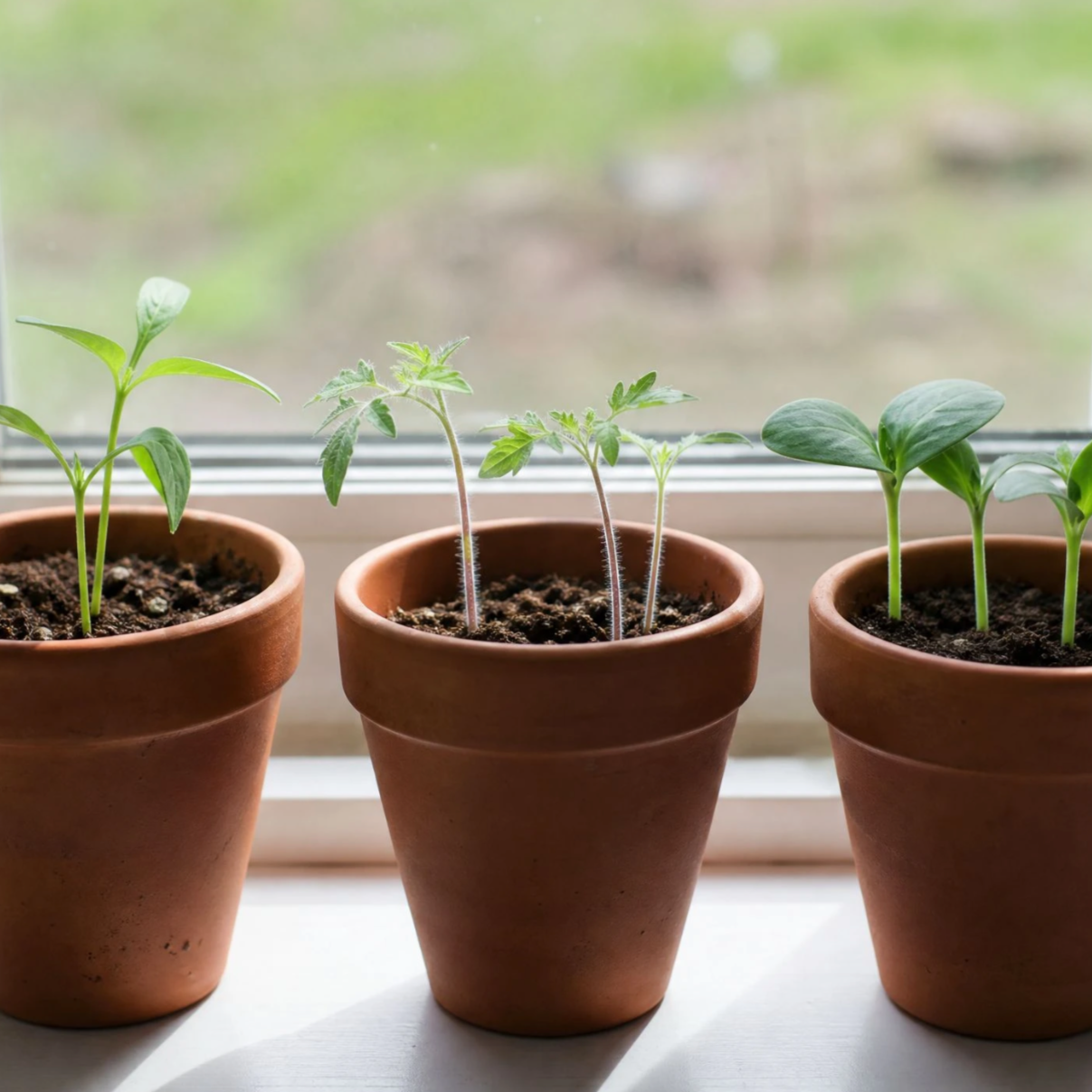
The core principle: count backwards from your last frost date. If you don't know your last frost date, look it up — it's the single most important piece of information a gardener can have.

A Proper Hot Toddy for Cold Weeks
The hot toddy is one of those drinks that has been overly rusticated when in fact it is one of the most warming drinks on a cold February night.
Blood Orange Olive Oil Cake
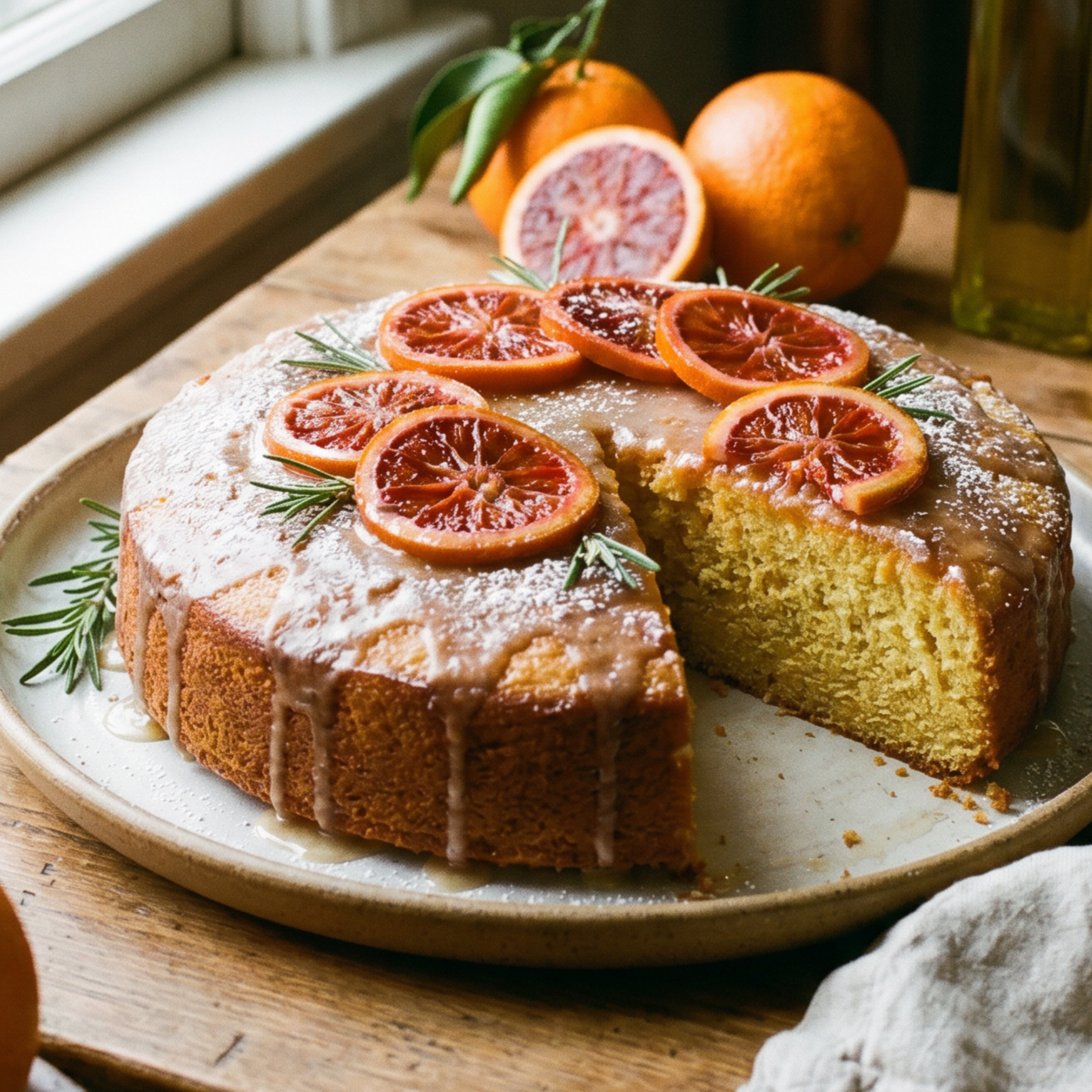
Olive oil cakes have the texture that butter cakes can only aspire to: dense without being heavy, moist without being wet, with a crumb that is simultaneously tender and substantial.
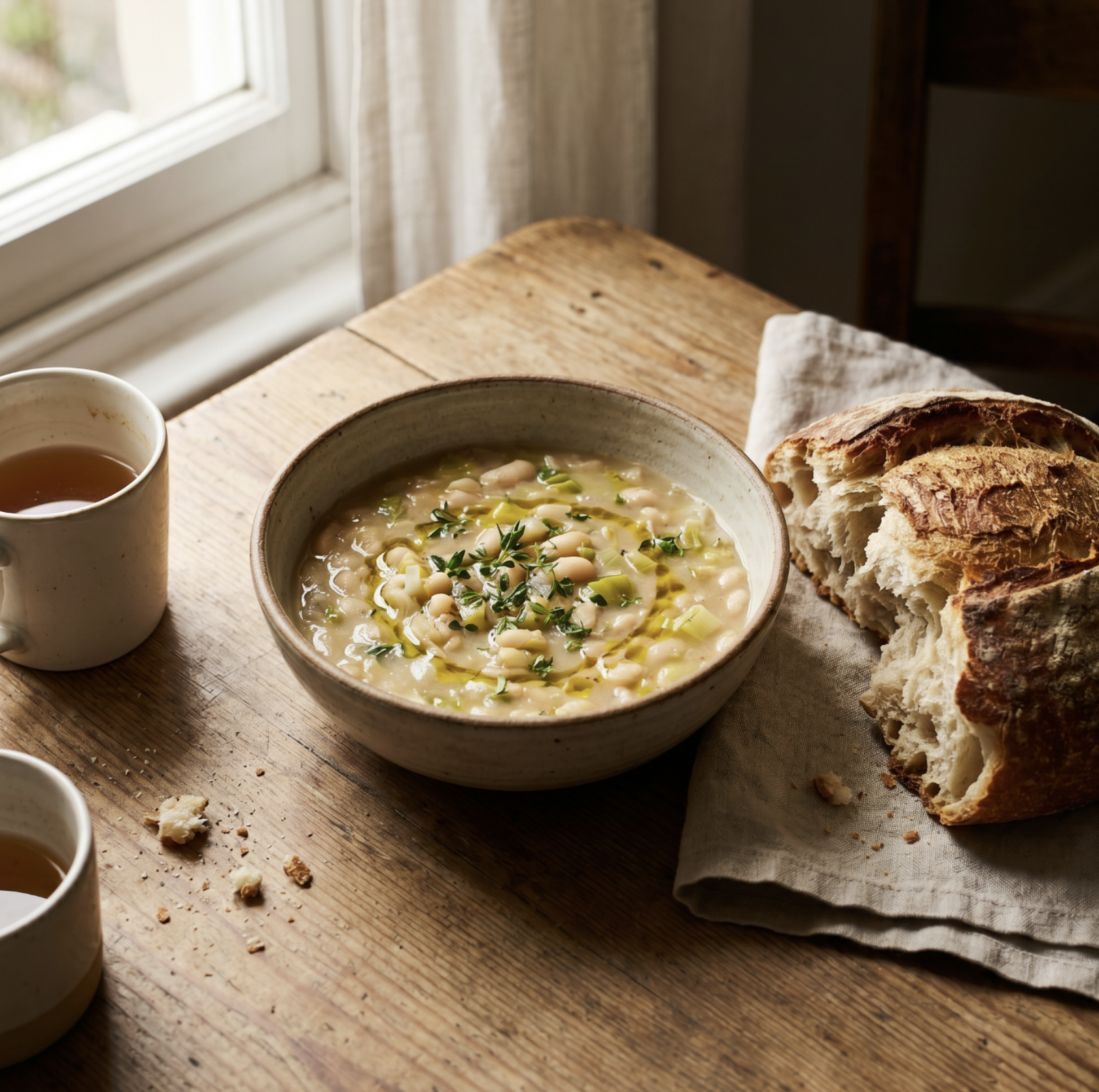
White Bean and Leek Soup with Crusty Bread
White beans and leeks are one of the great, underappreciated pairings in the kitchen. Leeks have a sweetness that onions don't — softer, more aristocratic, less aggressive.
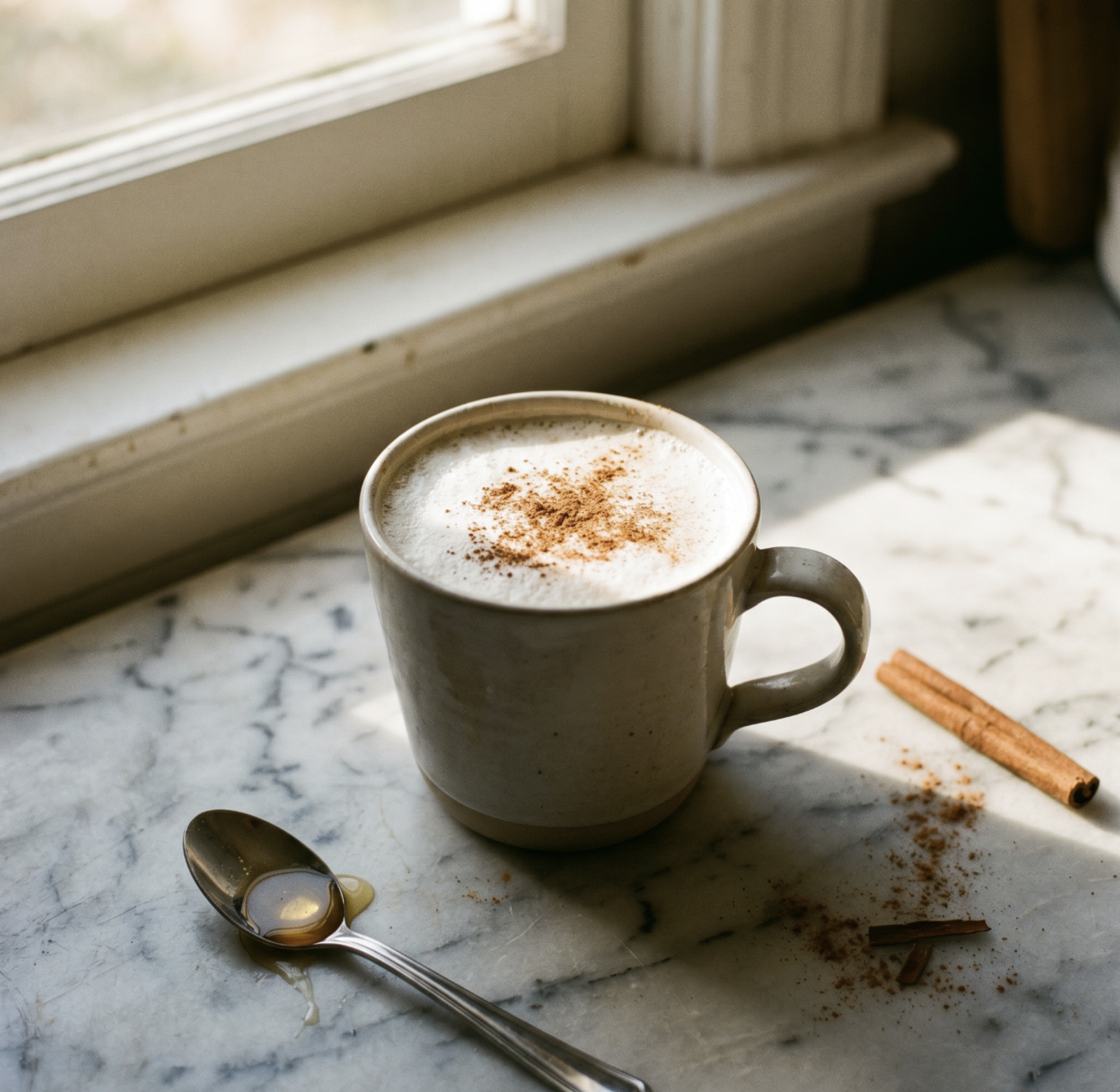
Spiced Honey Milk For Before Bed
Somewhere between a recipe and a ritual, this is less about the drink itself and more about what it signals: the day is done. The kitchen light is low. You have done enough.

What to Do in the Garden in January — Almost Nothing, and Thats the Point
Prune roses, if you haven't yet. For most climates, late January is appropriate timing — after the hardest frosts have likely passed but before the plant pushes new growth. Cut to just above an outward-facing bud, at a slight angle, and remove any dead or crossing canes entirely. It feels brutal. The roses will thank you in June.