

Getting Back Outside — Movement That Doesn't Feel Like Exercise
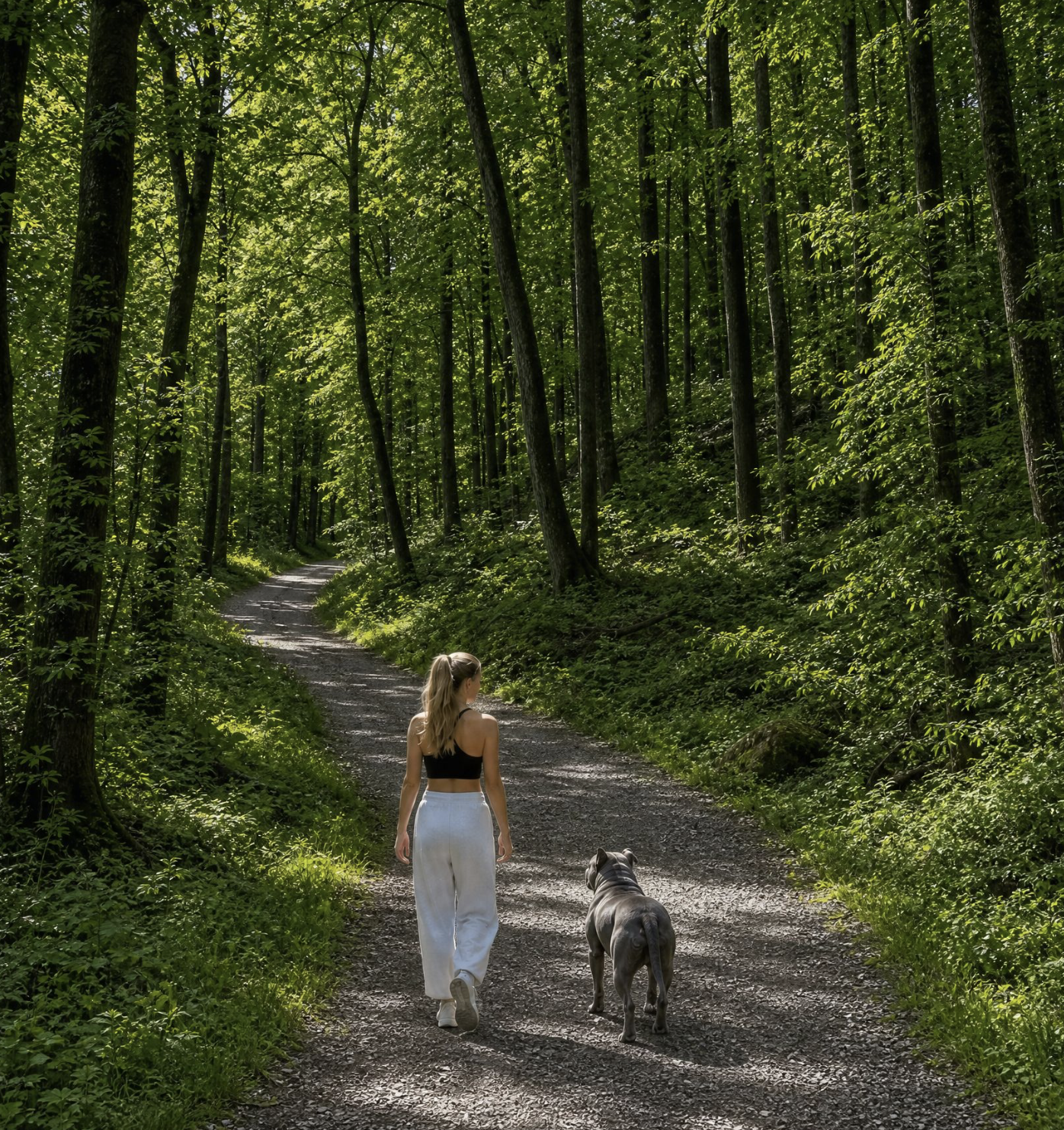
March is the month when the relationship between body and outdoors shifts again after winter — or should. The daylight is extending measurably now, past six in the evening in most of the country. The air smells different. Something in the body recognizes the change and begins to want to be out in it.
But the word "exercise" can be an obstacle. Exercise implies a program, a destination, a metric, an outfit. It implies before-and-after photos and tracking apps and effort that is calibrated and logged. For people who love that structure, this is fine. For many people, especially in the early spring after a long winter indoors, it creates a high enough barrier that they don't begin at all.
What I want to suggest instead is movement, which is different. Movement is walking to look at something rather than to cover a distance. It's gardening for an hour on a warm afternoon. It's a bike ride with no time limit, with stops. It's swimming in the ocean if you live near it, in water that is probably still cold, which is excellent. It's dancing in the kitchen while something is on the stove. It's stretching on the floor in the morning sun, not because you have a stretching routine, but because it feels good.
The research on this is increasingly clear: the health benefits of physical activity are delivered remarkably well by moderate, consistent movement distributed throughout the day, not concentrated into a single workout. Three ten-minute walks have very similar cardiovascular benefits to one thirty-minute walk. Gardening, which involves carrying, squatting, lifting, reaching, and sustained physical engagement, is genuinely excellent exercise.
The case for getting outside specifically in March is about more than movement. Exposure to natural light in the morning helps regulate circadian rhythms and supports serotonin production. Time in natural environments — research on this is consistent across cultures and decades — reduces cortisol, lowers blood pressure, and improves mood in ways that indoor environments don't replicate. There is something happening in the body when you stand under open sky in early spring that cannot be gotten indoors. The Japanese practice of shinrin-yoku — forest bathing, essentially slow mindful time in nature — has decades of clinical research behind it.
So the March wellness invitation is simple: go outside. Not to exercise. Not to accomplish anything. To be in the air while the season turns, to see what's coming up in the neighborhood gardens and the wild edges, to feel the difference between February cold and March cold, which is a different thing entirely. Start with fifteen minutes. See where it leads.
