

Nettle Tea and Why You Should Be Drinking It
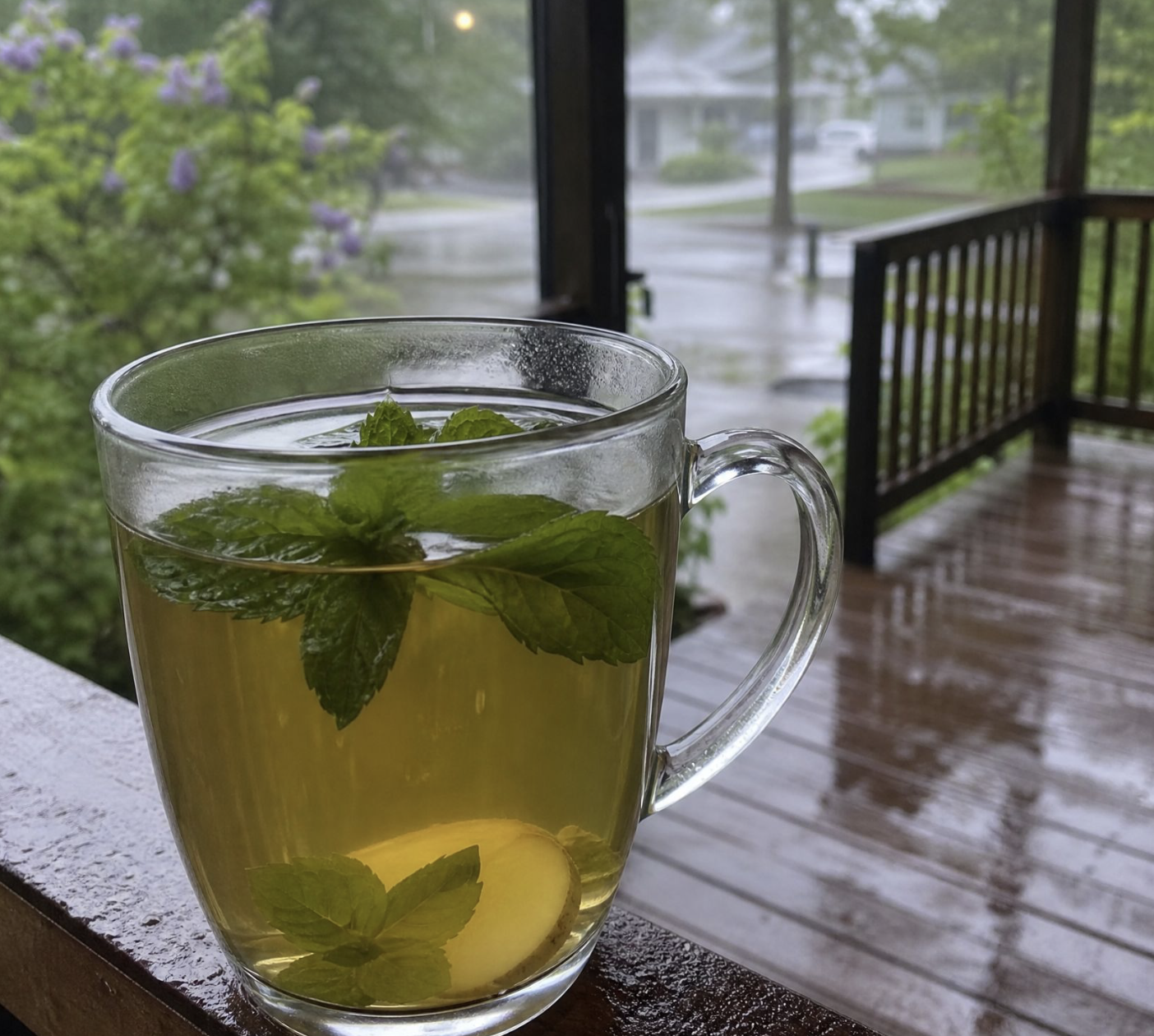
Stinging nettle is one of those plants that exists in two completely separate worlds simultaneously: the botanical world, where it is revered as one of the most nutritious wild plants available in temperate climates, and the domestic world, where it is an annoying weed that stings your ankles when you walk through it in shorts.
The sting is completely deactivated by heat or drying. Once brewed, there is no sting at all — only a flavor that is green, mild, and faintly mineral, not entirely unlike spinach but more interesting, more complex.
Nettle tea is a centuries-old spring tonic with genuine nutritional reasoning behind it. Fresh spring nettle contains significant amounts of iron, calcium, magnesium, potassium, and vitamins A, C, and K. After a winter diet heavy on stored and preserved foods, a cup in early spring feels like something the body has been waiting for.
You can forage fresh nettles in early spring — they emerge in late February and March, bright green and vigorous, before most other plants. Wear gloves to harvest the young tops. If foraging isn't available to you, dried nettle is sold at health food stores and online year-round. The flavor is gentle — more like drinking something green and alive than a traditional herbal tea. Some people love it immediately; others need a week to acquire the taste.
Serves 1 · 10 minutes
INGREDIENTS
1 tablespoon dried nettle leaf (or a generous handful of fresh young nettle tops)
8 oz water, just below boiling
Optional: small squeeze of lemon
Optional: a little honey
Optional: a sprig of fresh mint or a slice of fresh ginger
METHOD
1. If using fresh nettles: rinse them under cold water while still wearing gloves. The heat of the water will neutralize the sting, but handle them carefully until they've been fully submerged.
2. Place the nettle (dried or fresh) in a mug or small teapot. Pour the hot water over the leaves.
3. Steep for 5–10 minutes. The longer the steep, the more mineral and complex the flavor. Taste at 5 minutes and decide.
4. Strain into a clean mug. Add a squeeze of lemon and a little honey if you like, or drink it plain. A sprig of mint stirred in brightens everything; a slice of fresh ginger adds warmth.
5. Drink in the morning, ideally near a window. March is turning. Let the tea be part of noticing it.
