

The Spring Linen Refresh
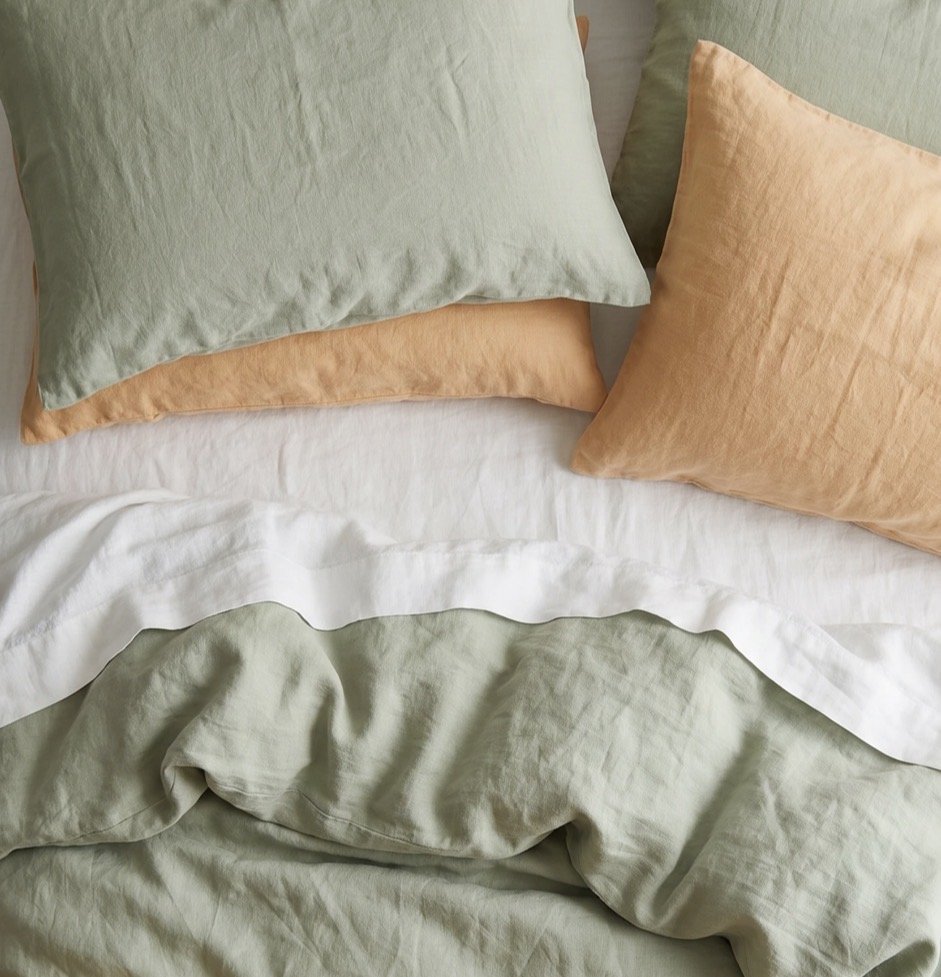
There are few domestic pleasures as simple and complete as putting fresh spring linens on a bed at the end of winter. The weight changes — heavier winter bedding gives way to lighter layers. The colors often change — the dark, cozy tones of a winter bedroom making room for something lighter. The entire room shifts in mood with almost no effort.
The linen refresh is not a shopping trip. It's a rotation — winter linens stored properly, spring and summer linens retrieved, everything washed and aired before it goes back on the bed. If you're doing this for the first time or after years of not quite managing it, here's how to approach it simply.
Start with what you have. Pull everything off the bed and sort by weight and texture: heavy wool or velvet blankets, thick flannel sheets, extra-warm duvet inserts in one pile; lighter cotton or linen sheets, lighter-weight quilts, thin blankets in another. The first pile is going into storage for eight months. The second is going back on the bed.
Before storing winter bedding: wash everything if it hasn't been washed since it went on the bed. Wool blankets can be dry cleaned or hand-washed carefully with a wool-specific detergent; most flannel sheets go in the washing machine on a gentle cycle. Once clean and fully dry — this is important; storing anything even slightly damp invites mildew — fold and store in a breathable bag or cotton pillowcase, not a plastic bag. A cedar block or sachet of dried lavender in the storage bag helps with moths and keeps everything smelling clean through summer.
For spring: bring out whatever you have in lighter-weight cotton or linen. Linen sheets are worth the investment if you haven't tried them — they're cool to sleep in, get softer with every wash, and the slight texture of them is tactile in a way that cotton isn't. Wash them before putting them on the bed, even if they smell fine. The combination of fresh air and clean smell is worth it.
Then the extras: in a California spring, the pattern is often cold mornings and warm afternoons, which means what you want on the bed is layers you can kick off rather than one heavy thing. A lightweight cotton quilt folded at the foot, a light blanket for the middle of the night if it's cold, and your lightest sheet as the primary layer.
Finish the bed and then stand in the doorway and look at it for a moment. This is one of those small domestic satisfactions that is difficult to explain to anyone who hasn't experienced it — the made bed in the turned season, everything clean and ordered and ready for a different kind of time.
