Elderflower Lemonade
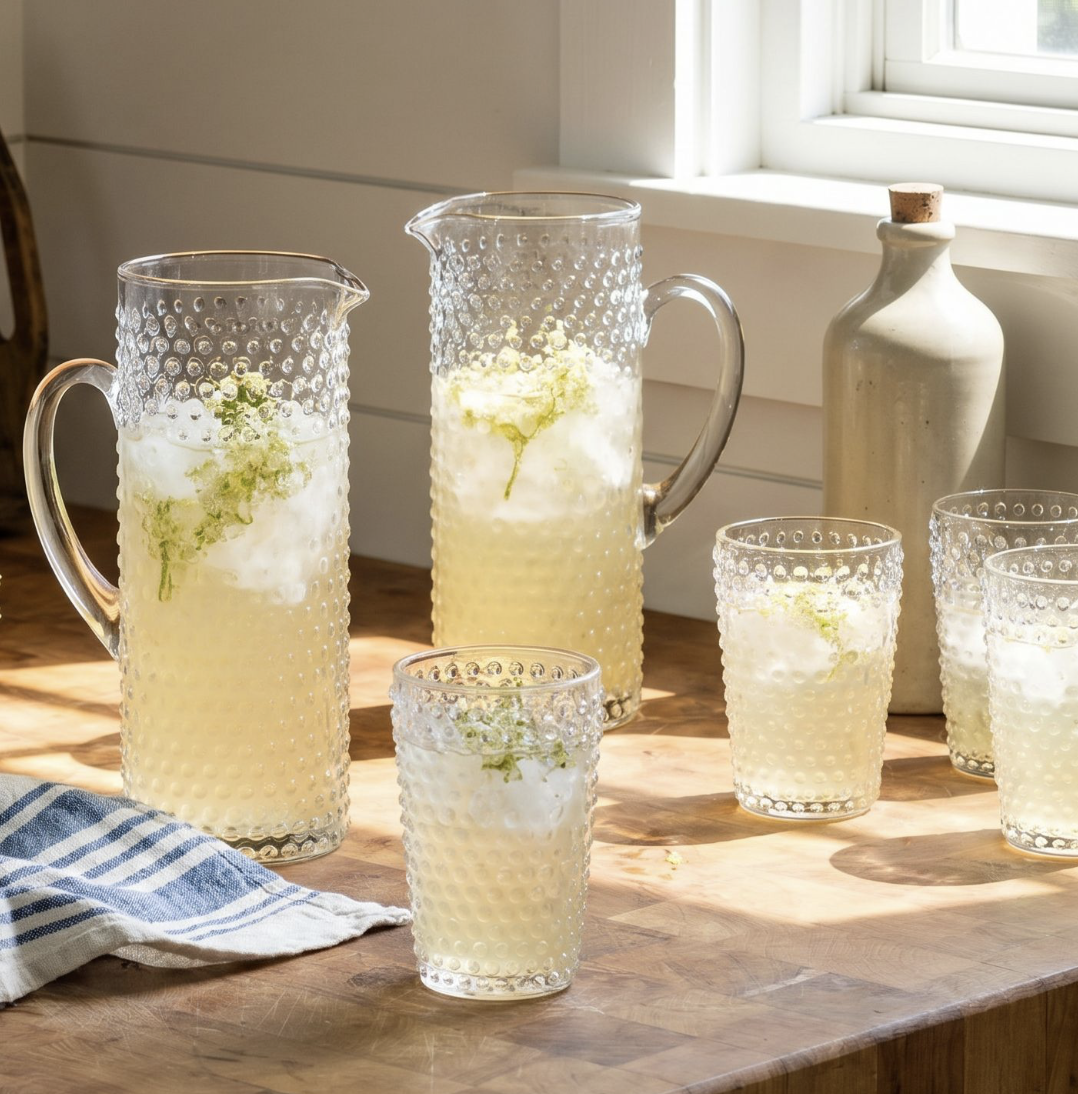
Elderflower has a bloom window of roughly three weeks, typically falling somewhere between late April and early June depending on your climate and elevation. The flowers appear in flat-topped clusters — called corymbs — on Sambucus nigra (common elder), with a fragrance that is floral, musky, and faintly honeyed in a way that is almost impossible to describe accurately except to say that it smells like May itself. They are harvested by snipping the entire head, shaking out any insects, and using them immediately or within a day or two before the fragrance fades.
If you have access to elder trees in your area — and they grow wild across much of Europe, North America, and parts of Asia — foraging the flowers is one of the genuine pleasures of early summer. Identify the tree carefully before harvesting (elderflower is distinctive and not easily confused with anything dangerous, but it's worth knowing what you're looking for), and harvest only from trees well away from roadsides or areas that may have been sprayed. If you don't have access to fresh flowers, elderflower cordial — a sweetened concentrate available at specialty grocers and online — is an excellent substitute for the syrup step.
The elderflower lemonade here is built on a cold-infused syrup that preserves the delicate floral quality of the fresh flowers far better than heat extraction would. A hot syrup would give you a cooked, slightly jammy flavor; the cold infusion gives you something brighter and more accurate to the flower itself. The addition of lemon adds acidity that balances the sweetness and extends the floral notes beautifully.
This is a drink for long May afternoons, for sitting somewhere with good light, for the exact kind of day that elderflower belongs to.
Serves 6–8 · 20 minutes active, plus 24 hours cold infusion
INGREDIENTS
— For the elderflower syrup —
20–25 fresh elderflower heads (or 120ml / ½ cup good elderflower cordial as a substitute)
400g (2 cups) granulated sugar
600ml (2½ cups) cold water
2 lemons, zest peeled in strips and juice reserved
1 teaspoon citric acid (optional, but extends shelf life and brightens flavor)
— To serve —
Cold still or sparkling water
Ice
Fresh lemon slices
A few fresh elderflower heads or sprigs of mint, to garnish
METHOD
1. Inspect the elderflower heads and shake gently to dislodge any insects. Do not rinse them — water will wash away the pollen that carries much of the flavor.
2. Combine the sugar and cold water in a large jar or bowl and stir until the sugar is fully dissolved. Add the elderflower heads, lemon zest strips, lemon juice, and citric acid if using. Stir gently to submerge the flowers.
3. Cover and refrigerate for 24 hours. The cold infusion preserves the floral top notes that heat would destroy.
4. After 24 hours, strain through a fine-mesh sieve lined with muslin or a clean tea towel, pressing gently on the flowers to extract all the syrup without forcing through the fine pollen. The syrup should be pale gold and intensely fragrant. It keeps refrigerated for up to 2 weeks, or can be frozen in ice cube trays for use throughout the summer.
5. To serve: pour 60–90ml (4–6 tablespoons) of elderflower syrup into a tall glass over ice, depending on how sweet you prefer it. Top with cold sparkling or still water. Stir gently and garnish with a lemon slice and a small elderflower head or sprig of mint. Taste and adjust the ratio of syrup to water to your preference.