

On Gratitude Without the Performance
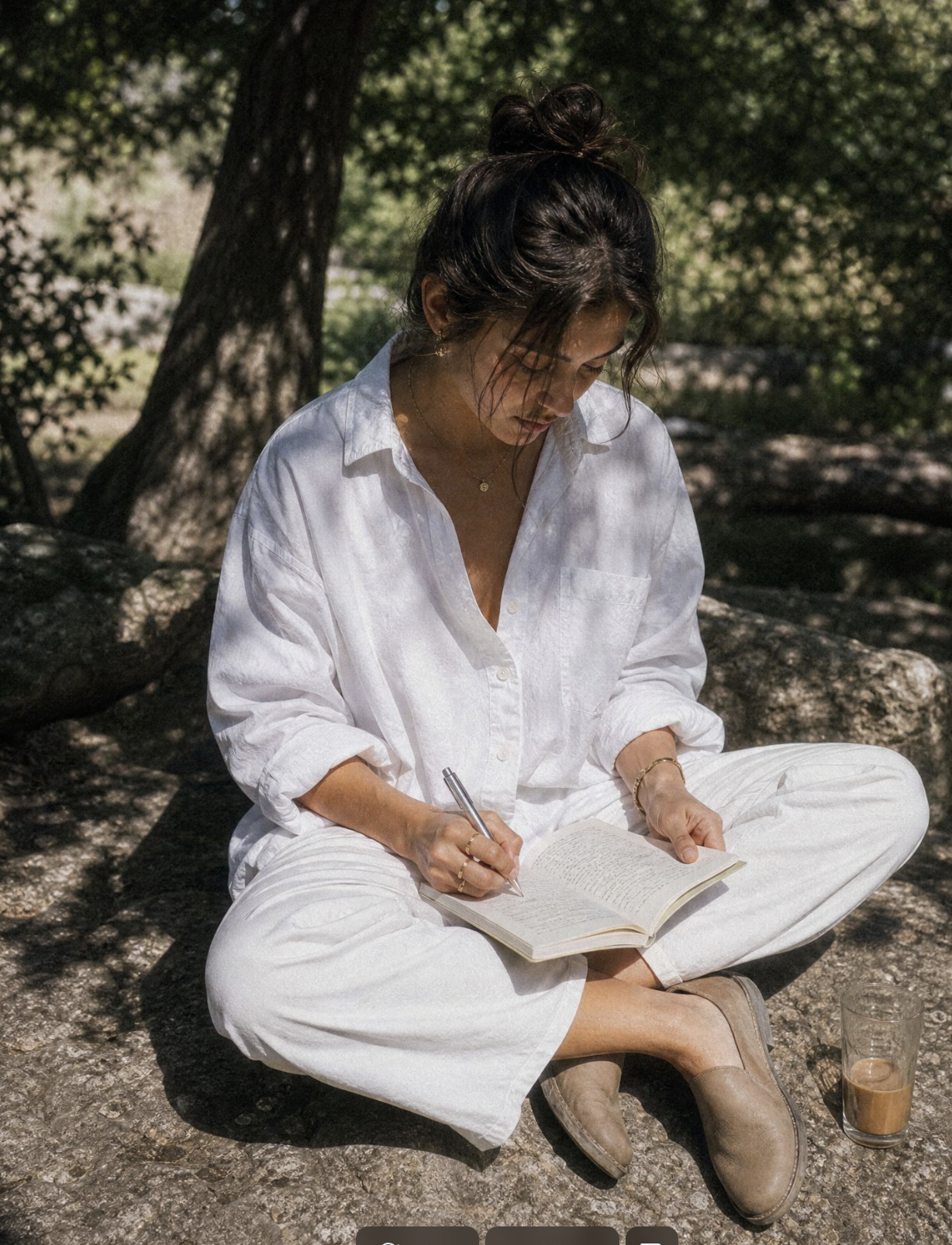
There is a version of gratitude that has been thoroughly domesticated by wellness culture — the three things you're grateful for in the morning journal, the gratitude meditation, the practice of thankfulness as a trackable daily metric. None of this is without value, and the research on deliberate gratitude practice is genuinely interesting: people who cultivate the habit of noticing and naming what is good do report higher baseline wellbeing over time. But something gets lost in the industrialization of the practice, something that the original impulse behind gratitude knows and that the morning-journal version has largely forgotten.
The thing that gets lost is specificity. The gratitude that actually changes how you experience your life is not the gratitude for health, family, and a roof over your head — the stock answers that appear in every gratitude list because they are real and important and also so general as to be almost inert. It is the gratitude for the specific: for the particular quality of November light at four in the afternoon, which is unlike any other light of the year. For the way the kitchen smells when beans are braising and rosemary is in the oil. For a specific conversation with a specific person that shifted something. For the dog asleep on the rug. For the fact that the leeks are still in the garden and will be better after a frost.
These specificities are not small. They are, in fact, the actual texture of a life — the accumulation of particular moments that constitute what it meant to be alive in this place in this November. Gratitude that is calibrated to this level of specificity does something that the general version doesn't: it makes the present moment more vivid and more genuinely valued, not as an abstract gift but as the specific, irrepeatable, already-passing thing it is.
The performance problem is different. November brings with it, in many families and communities, an expectation of expressed gratitude — the Thanksgiving tradition of going around the table, the social media posts about being thankful, the seasonal insistence on positivity that can feel, to anyone having a complicated autumn, like a requirement to perform a feeling you are not entirely having. The performance of gratitude and the practice of gratitude are not the same thing and can in fact work against each other, because the performance requires the feeling to be presentable in a way that the actual practice doesn't.
The actual practice of gratitude — meaning the quiet, private act of noticing what is good and letting yourself feel it, without reporting it or optimizing it or turning it into a habit to be tracked — is available in November regardless of how the year has gone. It doesn't require the year to have been good, or the month to be easy, or the gathering to be uncomplicated. It requires only the willingness to look, carefully and specifically, at what is actually here — in the kitchen, in the garden, at the table, in the faces of the people present — and to let that looking be enough.
That is the practice. It fits in a moment. It doesn't always need a journal.
