

The Autumn Wardrobe — On Coats, Boots, Color, and the Art of Layering
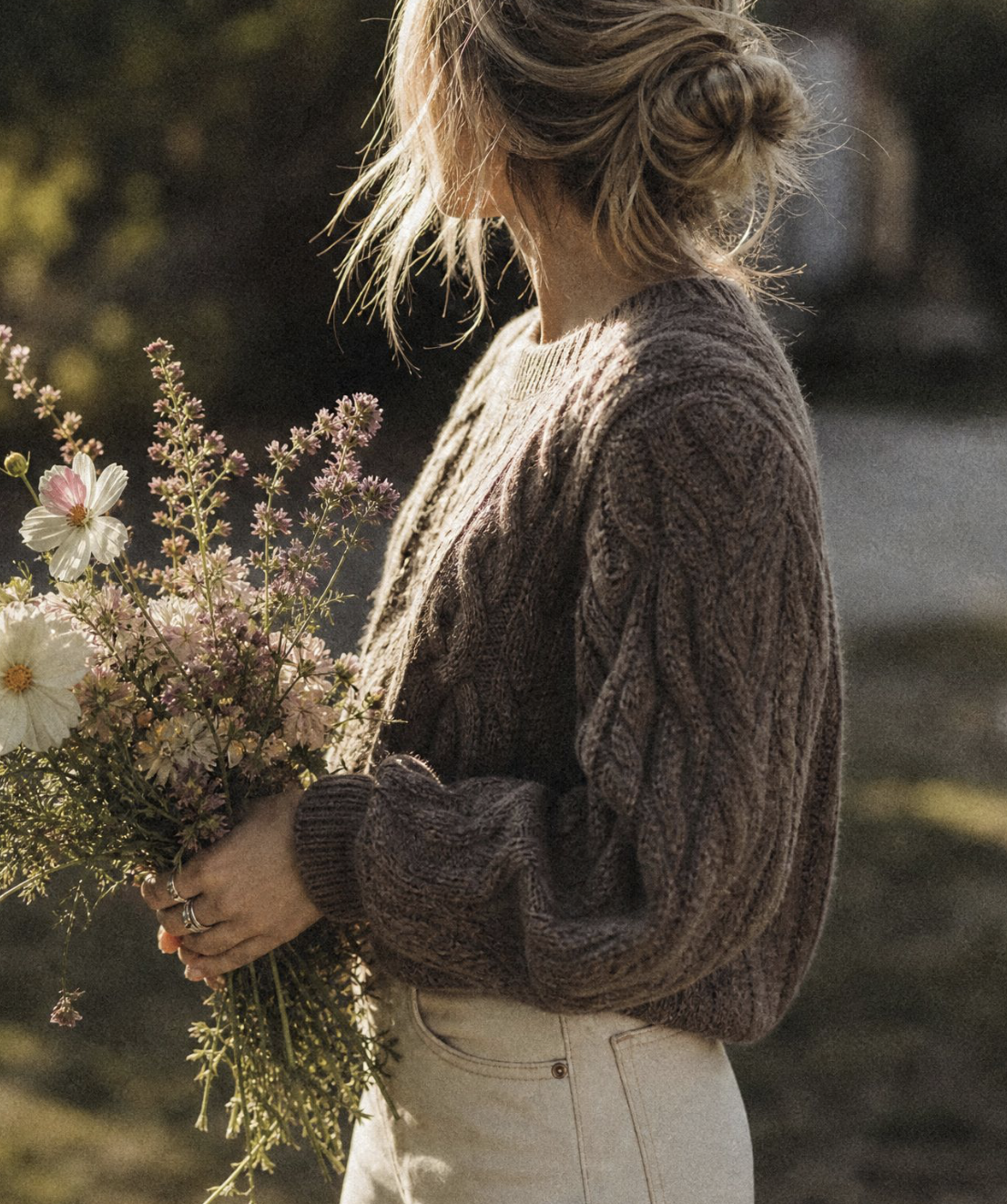
Autumn is the season that rewards the person who has thought carefully about their wardrobe more than any other. Spring and summer dressing can be improvised with relative ease — the warmth and the light are forgiving, and a simple dress or a linen shirt covers a great deal of ground. Autumn requires more: more layers, more coordination between them, more attention to the relationship between warmth and appearance, and more consideration of the fact that the same outfit may need to move from a cold morning to a warm afternoon and back to a cool evening within the course of a single day.
The coat is the foundation of the autumn wardrobe, and it is worth thinking about it first because it is the piece that determines everything else. Not the warmest coat you own — that's for January. The autumn coat is something between a jacket and a winter overcoat: structured enough to feel considered, warm enough for evenings and cold mornings, versatile enough to work over everything from a dress to jeans to something more dressed up. The camel coat is the perennial answer to this problem, and it remains the answer because it genuinely works: the warm neutral tone plays with almost everything, the structured shoulder reads as intentional across all registers of formality, and a well-made camel coat improves with wear in the way that good wool does. Buy the best version you can find and afford, in a fabric with real wool content — a camel or camel-blend coating, a boiled wool, a herringbone — and it will be the piece you reach for most often from October through December.
Boots are the autumn shoe, and the decision between ankle and knee-high, heeled and flat, is less about aesthetics than about what your days actually look like. A flat ankle boot in dark leather or suede — the Chelsea, the lace-up Derby boot, the simple pull-on with a modest sole — is the most versatile piece in the autumn shoe wardrobe and the one that works equally well with cropped trousers, midi skirts, dresses, and jeans. A knee-high boot adds drama and, practically, warmth — worn over slim trousers or under a skirt that falls at mid-thigh, it is one of the most elegant silhouettes autumn produces. A heeled boot, whether ankle or knee-high, elevates any outfit immediately and requires no further thought about dressing up. Own at least two of these three and your feet are covered for everything October and November produce.
Color is where autumn dressing becomes genuinely pleasurable and where most people either play it too safe or reach for the season's most obvious expressions. The autumnal palette is deeper and richer than summer's — burgundy, forest green, burnt sienna, deep plum, chocolate brown, rust, cognac — and these are colors that do something specific in the low, slanted light of autumn that they don't do in other seasons. A deep burgundy sweater in October afternoon light is one of the more quietly beautiful things a person can wear. The temptation is to stick to black and navy through the colder months, which is understandable but slightly wasteful of what the season is offering. One rich-toned piece per outfit is enough — a plum coat over a neutral everything else, a forest green knit with simple dark trousers — and it will make the outfit feel specific to the moment rather than seasonless.
Layering is the technique that autumn requires and that most people do imprecisely. The principle is simple: each layer should do a specific job and be visible in a way that contributes to the composition. A fine merino turtleneck under a tweed or wool blazer, the turtleneck just visible at the collar, is a layer. A bulky thermal under a fitted shirt with an awkward silhouette is not. The layers that work are slim against the body, chosen for their edge and collar relationship, and coordinated in tone rather than matched exactly. Tone-on-tone layering — different textures in the same color family — is the most sophisticated approach and the one that reads as intentional rather than simply warm.
